Every child learns to draw. Every child masters writing-to-read Heart Word sentences. Every child can make their own real “little books” — and read them out loud with pride.
Grow young writers who say “I am an author!”
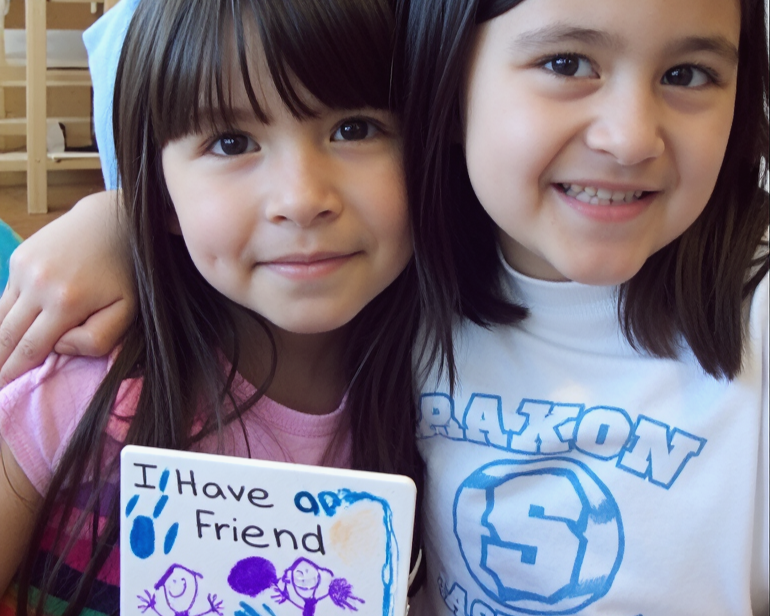
That’s not a hope. That’s what happens in classrooms and homes that use this expanded approach to writing workshop. Integrate handwriting, fingerspelling, phonics, and writing-to-read Heart Words.
This curriculum has been built over decades in collaboration with master kindergarten teachers. It’s grounded in brain research and centered on one goal: growing young writers who love to write, draw and create books.
This isn’t writing prompts and workbooks
Traditional early writing instruction hands kids a page with lines and a topic someone else picked. It’s tidy. It’s controlled. But, it doesn’t grow real writers.
This approach, developed by Nellie Edge, Julie Lay and master kindergarten teachers, is different.
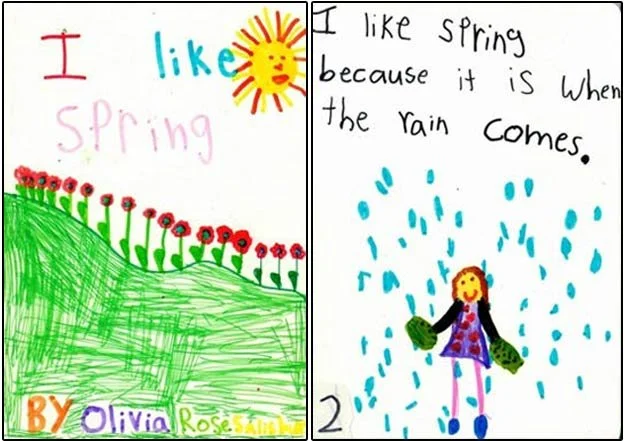
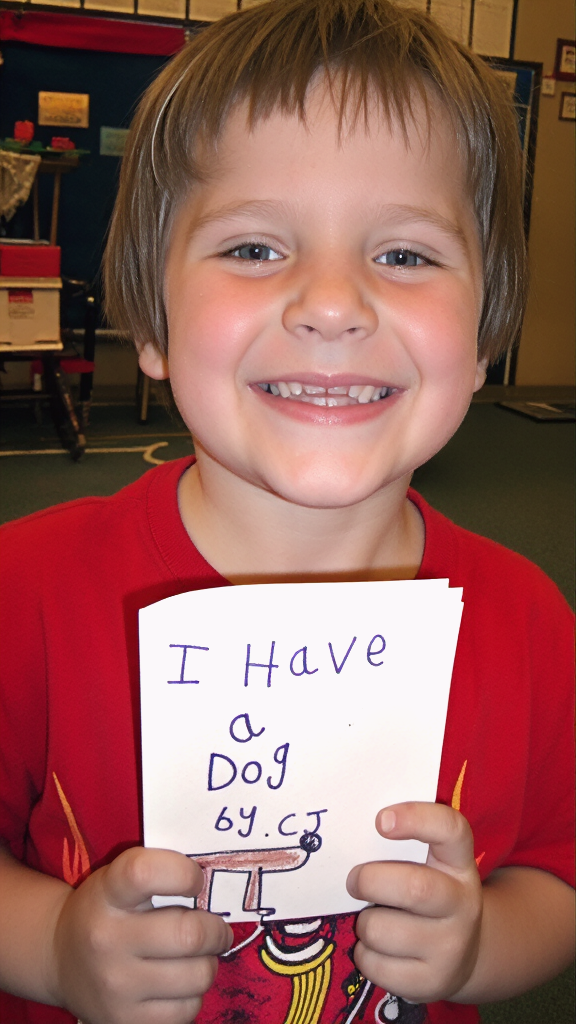
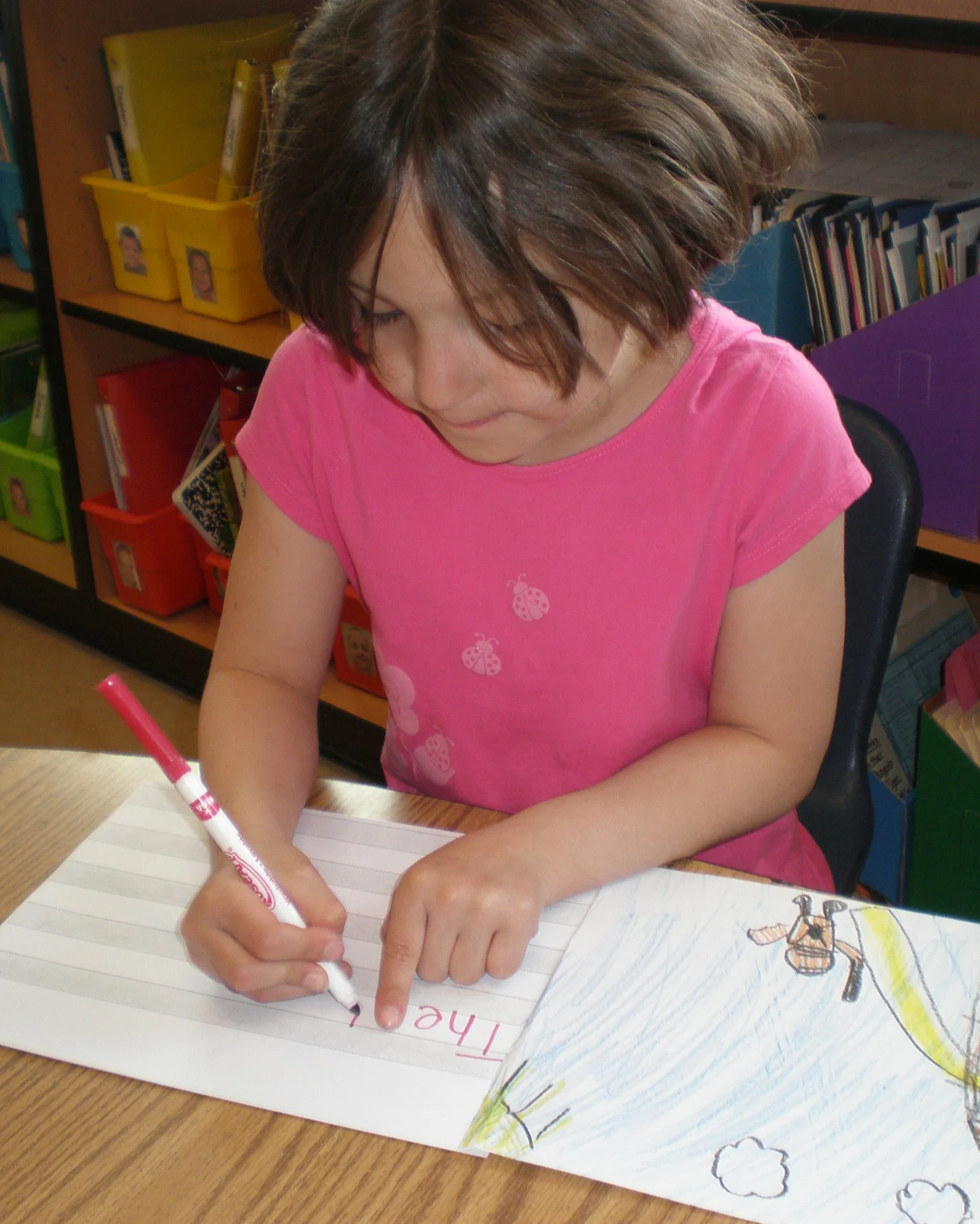
Children start with something they mean — "I love you" written on a scrap of paper and hidden for someone to find. They draw pictures of things they care about. They make lists. They write messages to friends. They author skinny books, information books, weekend journals, and end-of-year published books that document a whole year of growth.
Writing here is authentic from the very first week. Kids write about their lives, their pets, their questions, their imaginations. And because it's real, they can't wait to do more.
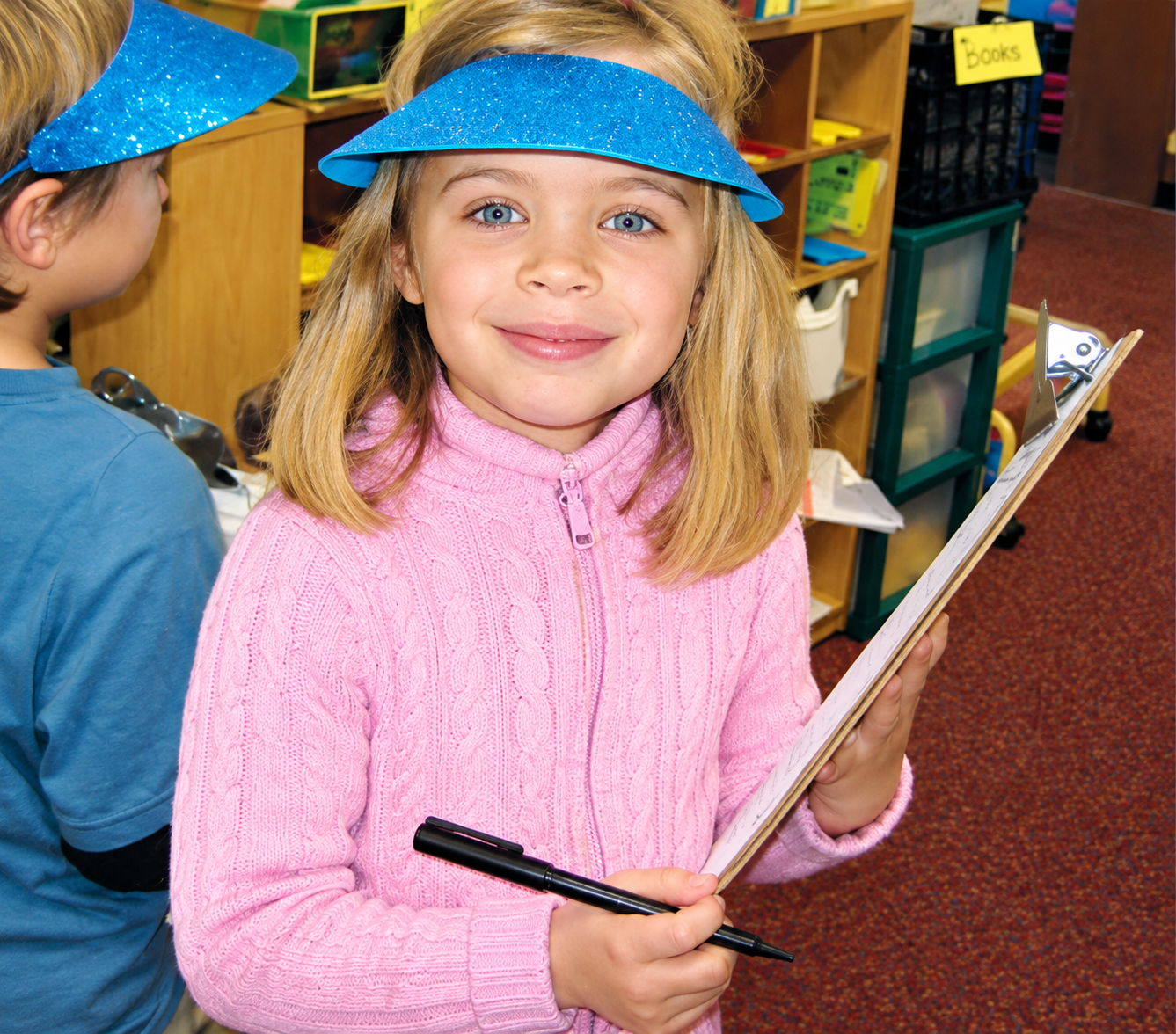
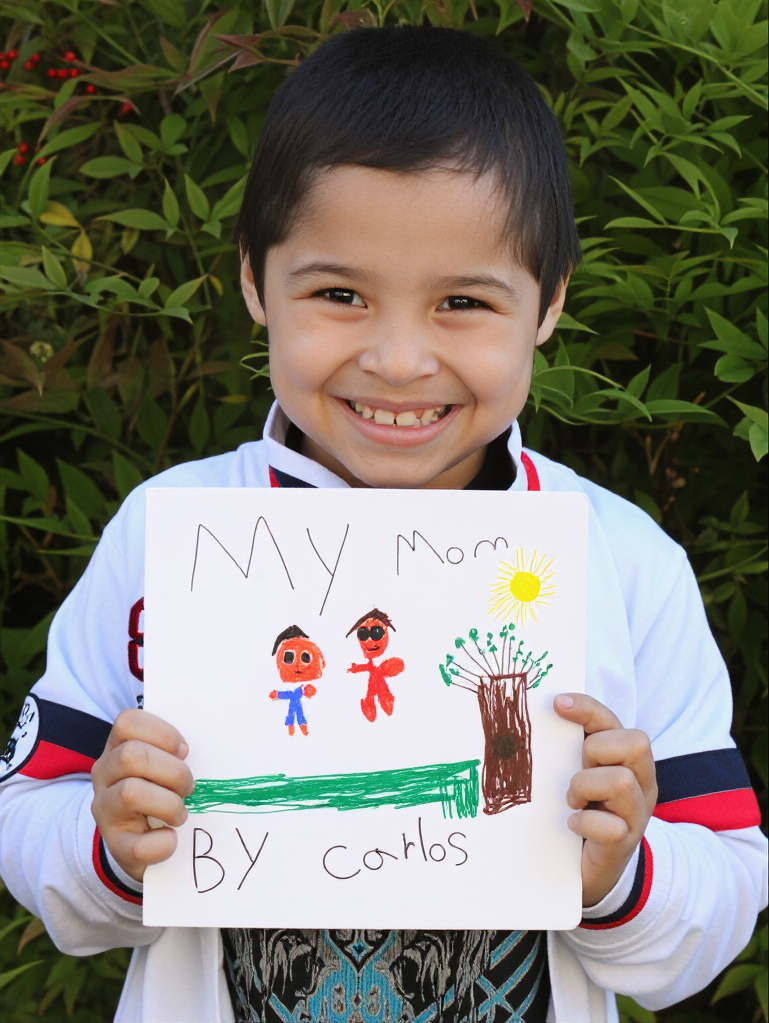
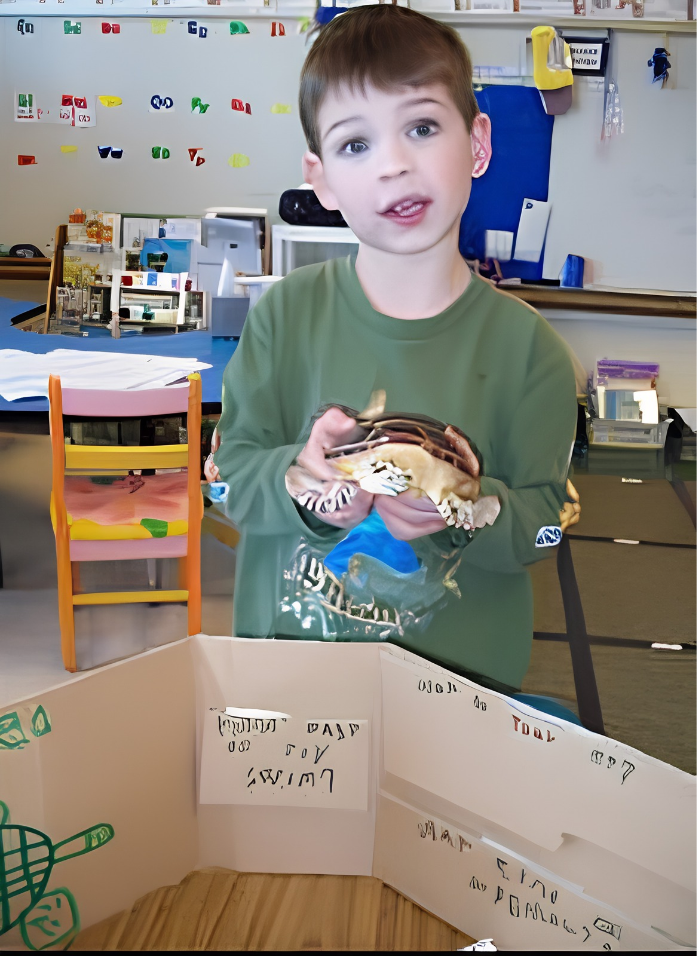
Writing teaches reading
The research is clear.
For decades, schools taught writing after reading — first learn to read, then someday you’ll write. Research turned that on its head.
The Carnegie Corporation report Writing to Read reviewed decades of studies and reached a striking conclusion: writing instruction is one of the most effective ways to improve reading. When children write, they're doing phonics in the most active possible way. They stretch out words. They listen for sounds. They connect sounds to letters. Every sentence a child writes is a phonics lesson happening in real time.
Steve Graham and colleagues have shown that fluent, meaningful writing accelerates reading fluency in kindergarten and first grade. Not gradually. Dramatically. Children who write daily — real words, real sentences, real books — read better than children who only practice reading.
That’s why we call this approach writing-to-read. Because writing isn't the reward for learning to read. It's one of the fastest ways to get there.
“I am an author!”
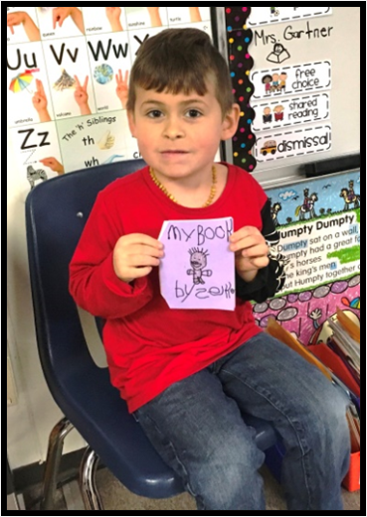
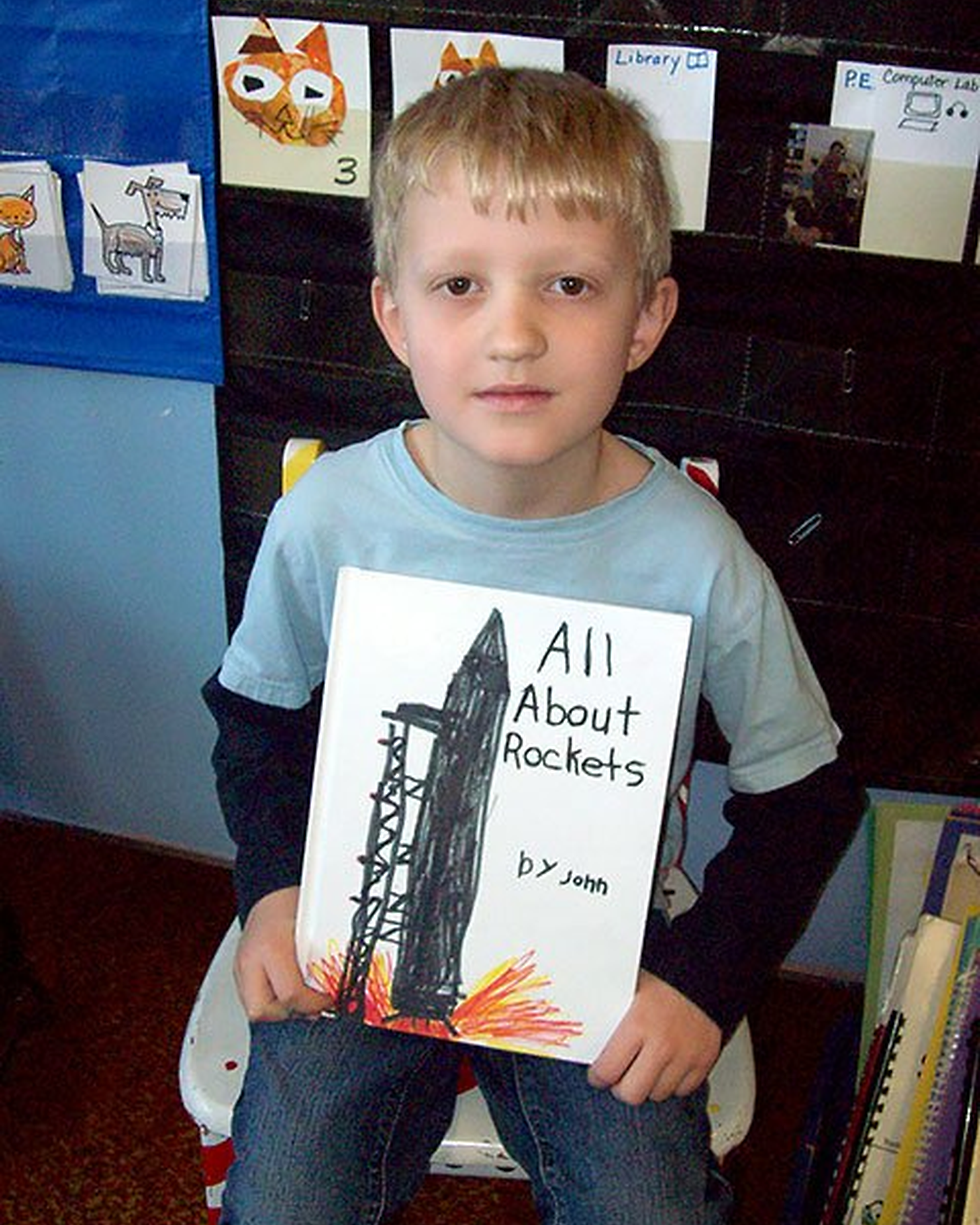
This is the moment. When a child finishes their first real book, sits in front of the class, and reads it out loud, they change. They’re no longer a kid learning to write. They’re a writer. That identity carries forward through every grade that follows.
In a writing-to-read classroom, kids don’t fill out worksheets.
They make things. Real things. Things they carry home and read to family.
No surprise that one of the kindergartners from these authentic writing-to-read classrooms won a third-grade district writing award. Not because they were pushed. Because they fell in love with writing when they were five.
And what did his mom say?
“Thank you for turning my son into a writer!”
By the end of the year kindergartners draft, revise, edit, and publish, just like older writers do. And they take enormous pride in the result. Author celebrations follow.
Heart Word fluency sentences ("I love you.", "I see the dog.", "This is my house.")
Skinny Books they stamp and read
Draw-an-animal information books
Weekend News Journals about family adventures
What young writers make
Elephant and Piggie–style stories
Class books signed by every contributor
Secret messages hidden around the house
Thank you notes for grandparents and family
Science journals full of observations and questions
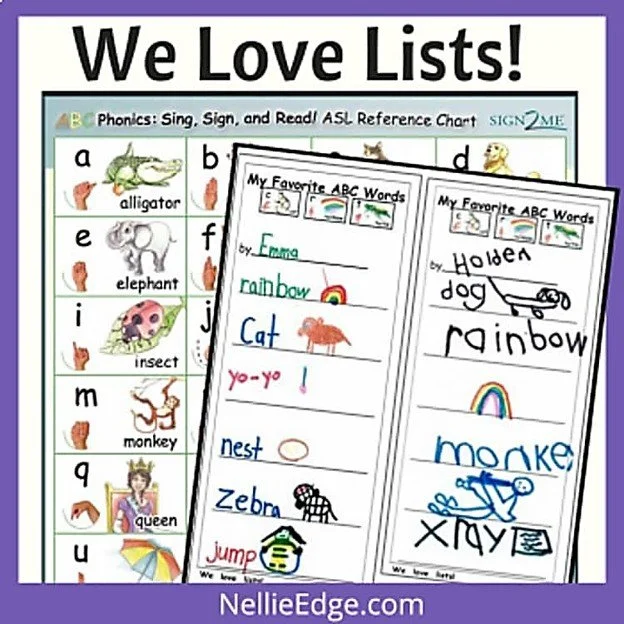
Lists of favorites: ABC words, animals, foods and more
End-of-year published books — proofread, illustrated, and celebrated
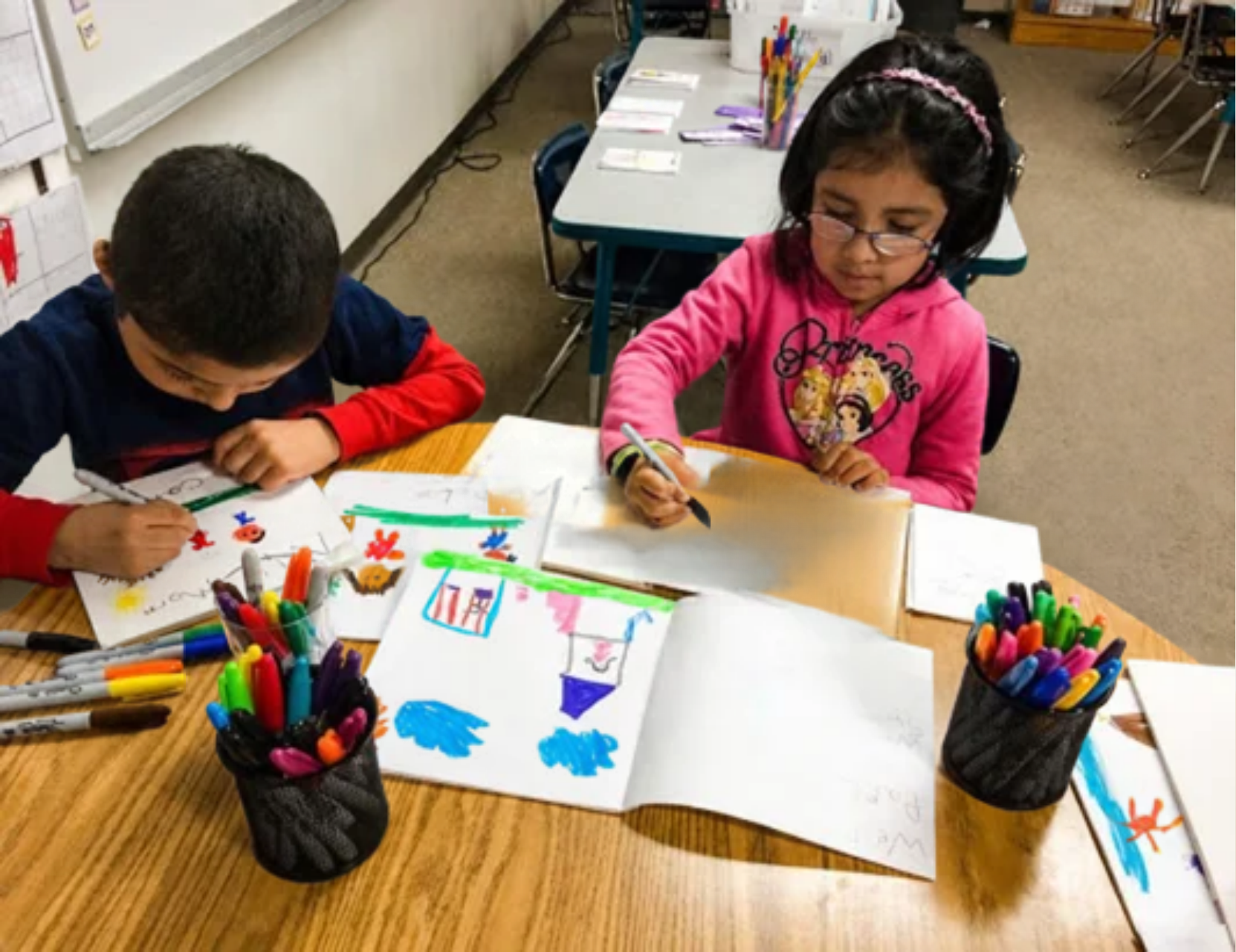
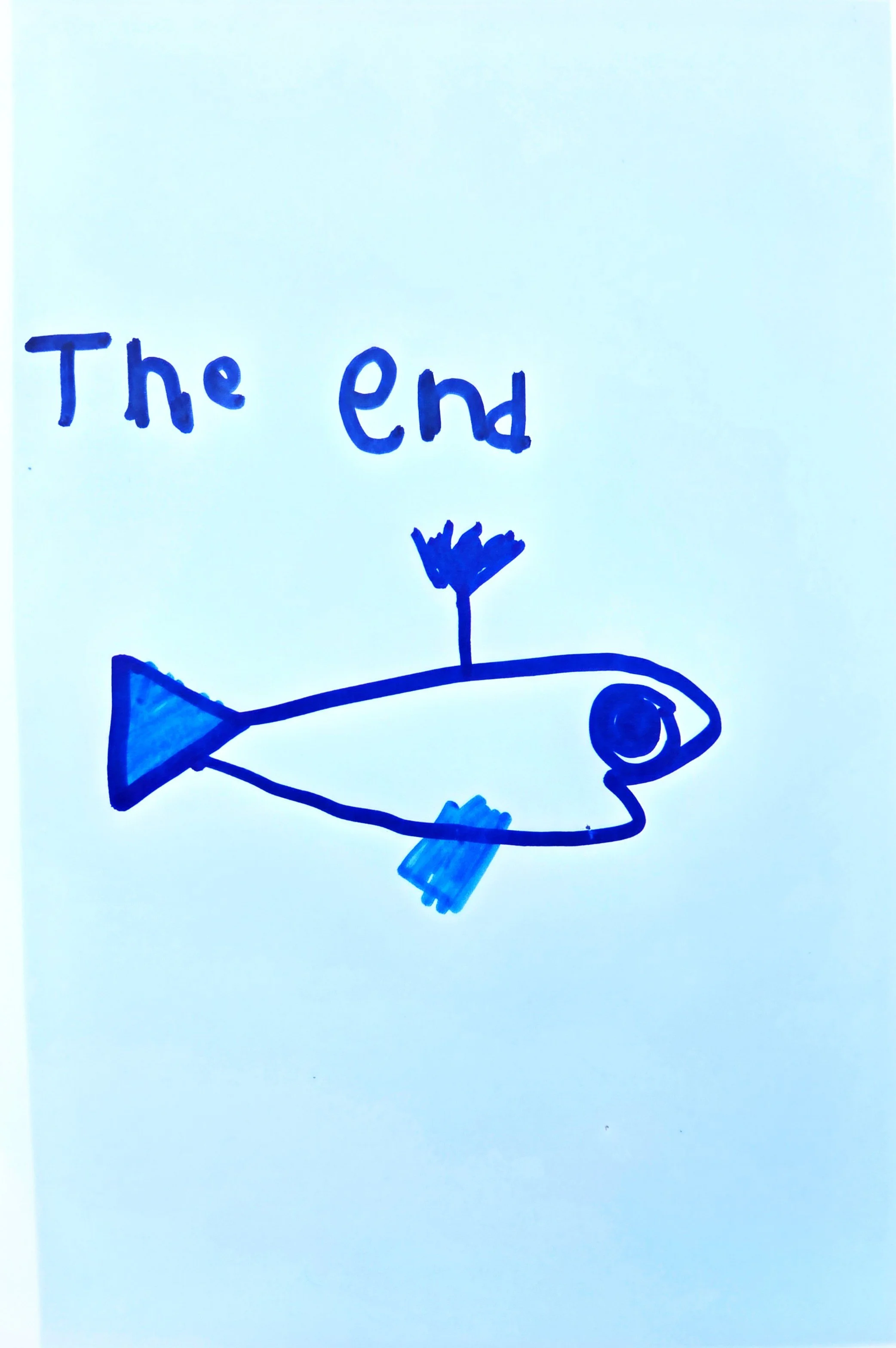
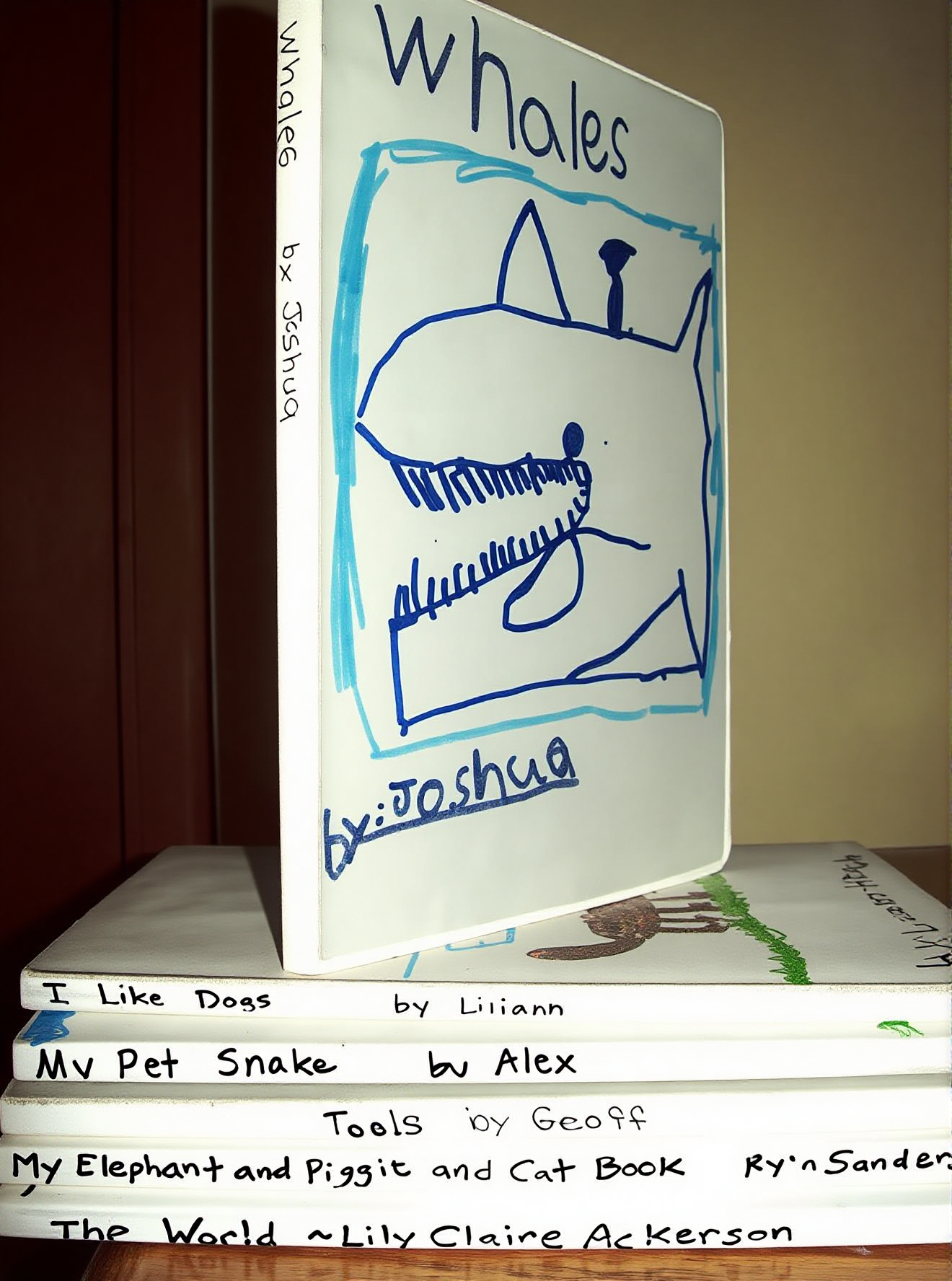
Six best practices to grow young writers
1. Bond first. Create a joyful community of writers.
Children write more, and write better, in classrooms and homes where they feel loved and safe. Songs, sign language, poetry, literature, and daily celebration create the emotional soil where real writing grows. This is where every Nellie Edge lesson begins — and where the best writing comes from.
2. Master Heart Words. Build fluency sentences.
Once children can write "I love you" and "I see the cat" from memory, they have the tools to write real messages. Heart Words plus phonics-based spelling means kids can attempt any word — and know exactly how to spell dozens of the most important ones. That's where writing stamina starts.
3. Model daily. Coach into their writing. Share the work.
Kids become writers by writing everyday with meaning and purpose. Teachers model out loud. Parents write alongside their children at home. Everyone celebrates the work of young authors every single day. The message is unmistakable: your writing matters. Your stories matter. Your words and pictures tell a story.
4. Give them real reasons to write.
Secret messages hidden around the house. Thank you cards for grandparents. Lists of favorite things. Weekend News Journals about family adventures. Class books everyone signs. Skinny Books they stamp and read. Elephant and Piggie stories in the style of Mo Willems. When writing has a real purpose, kids write more — and better.
5. Draw first. Then write. Then publish.
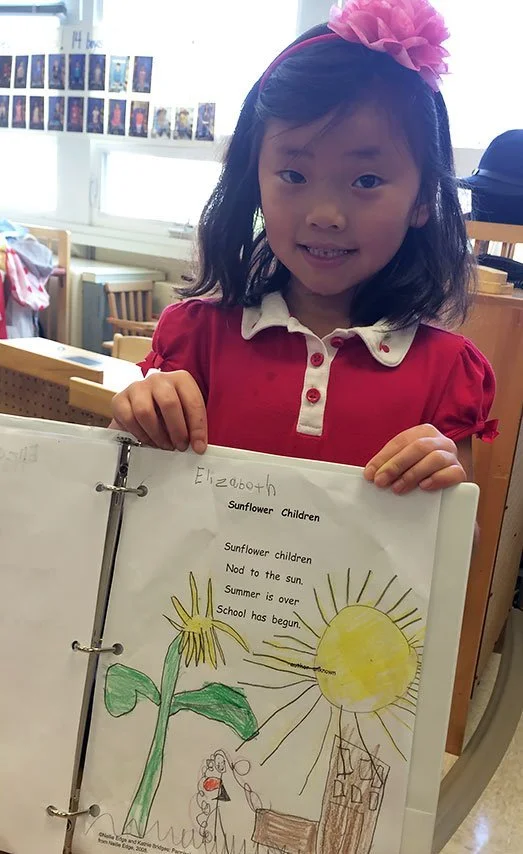
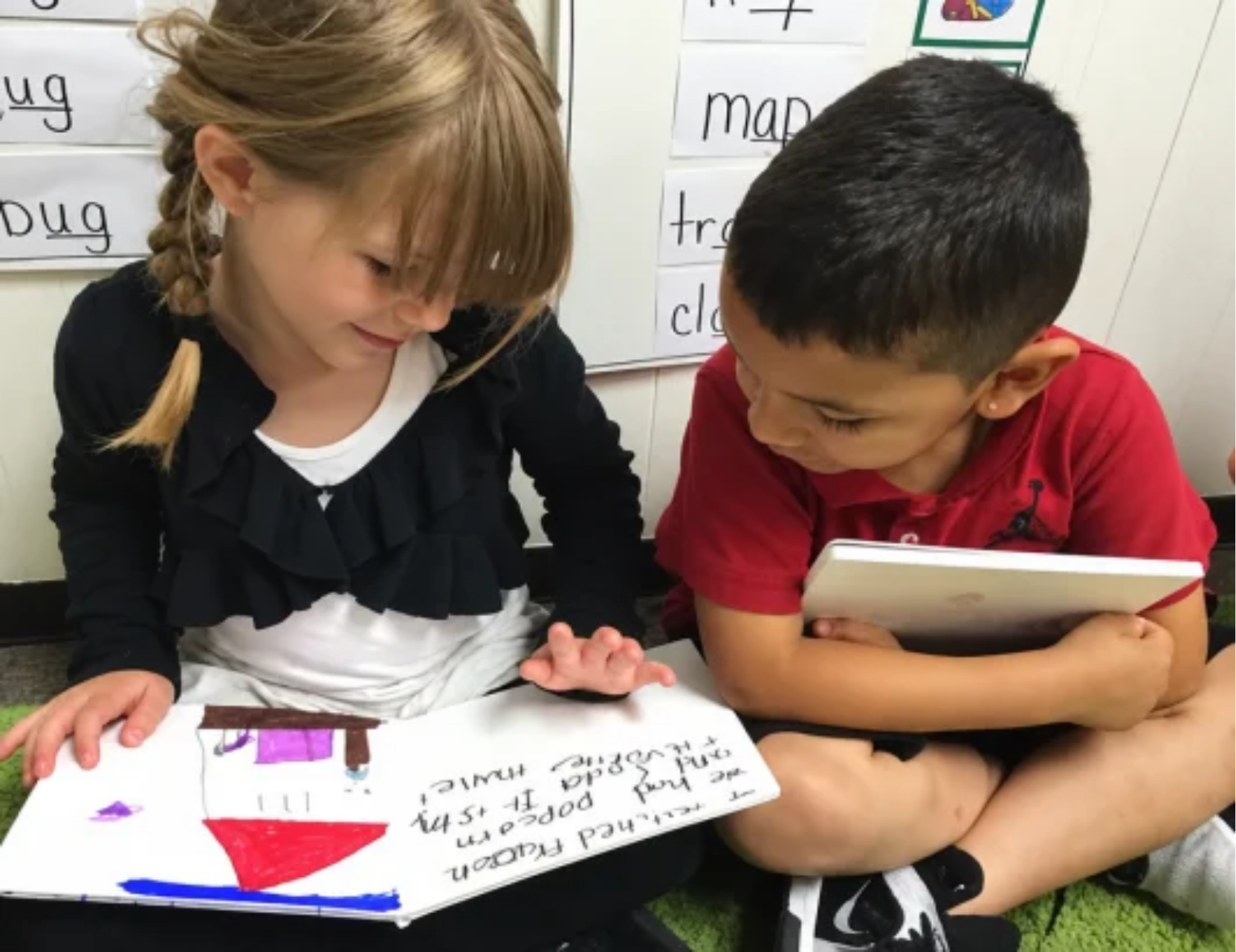
Guided drawing lessons teach children to add details and tell stories through pictures. Then labels. Then sentences. Then whole books. By the end of the year every child publishes a real hard cover “board book” — proofread, edited, illustrated, and shared aloud. Families join for author celebrations.
6. Involve families. Multiply the learning.
Home/School Book Buddy Bags. Weekend News Journals. Take-home skinny books. Family literacy nights. When parents and grandparents become partners in the writing journey, children's literacy grows twice as fast — and family memories grow along with it.
Works in classrooms. Works at home.
The expanded writing workshop approach was built in kindergarten classrooms. It works just as well at home. The routines, the drawing lessons, the Heart Word sentences, the little books — all of it travels beautifully to a homeschool table.
Classroom teachers make writing part of their daily literacy block and beyond. Homeschool families weave it into their day at their own pace. Both grow prolific young writers. Both create children who say "I am an author!" and mean it.
The three videos show you the powerful writing-to-read strategies and why they work. Watch additional YouTube kindergarten writing workshop video with master teachers Julie Lay. Watch how Nellie Edge coaches kids into their writing, celebrates their work daily and builds the culture that makes every child feel like an author.
Thousands of kindergarten teachers have attended these seminars in person. They went back to their classrooms the next Monday, tried what they'd learned, and watched their classrooms come alive. Early learners sang, signed, and wrote their way into reading, and the joy came back into teaching. Now the same ideas and strategies are yours, free and online. Use the link we’ll send you to watch with an internet connection anytime.
Nellie Edge materials are always top notch! The joyfulness that is always embedded in Nellie’s materials is so meaningful for me and how I teach my littles.”
— Kathy M.
Get started now
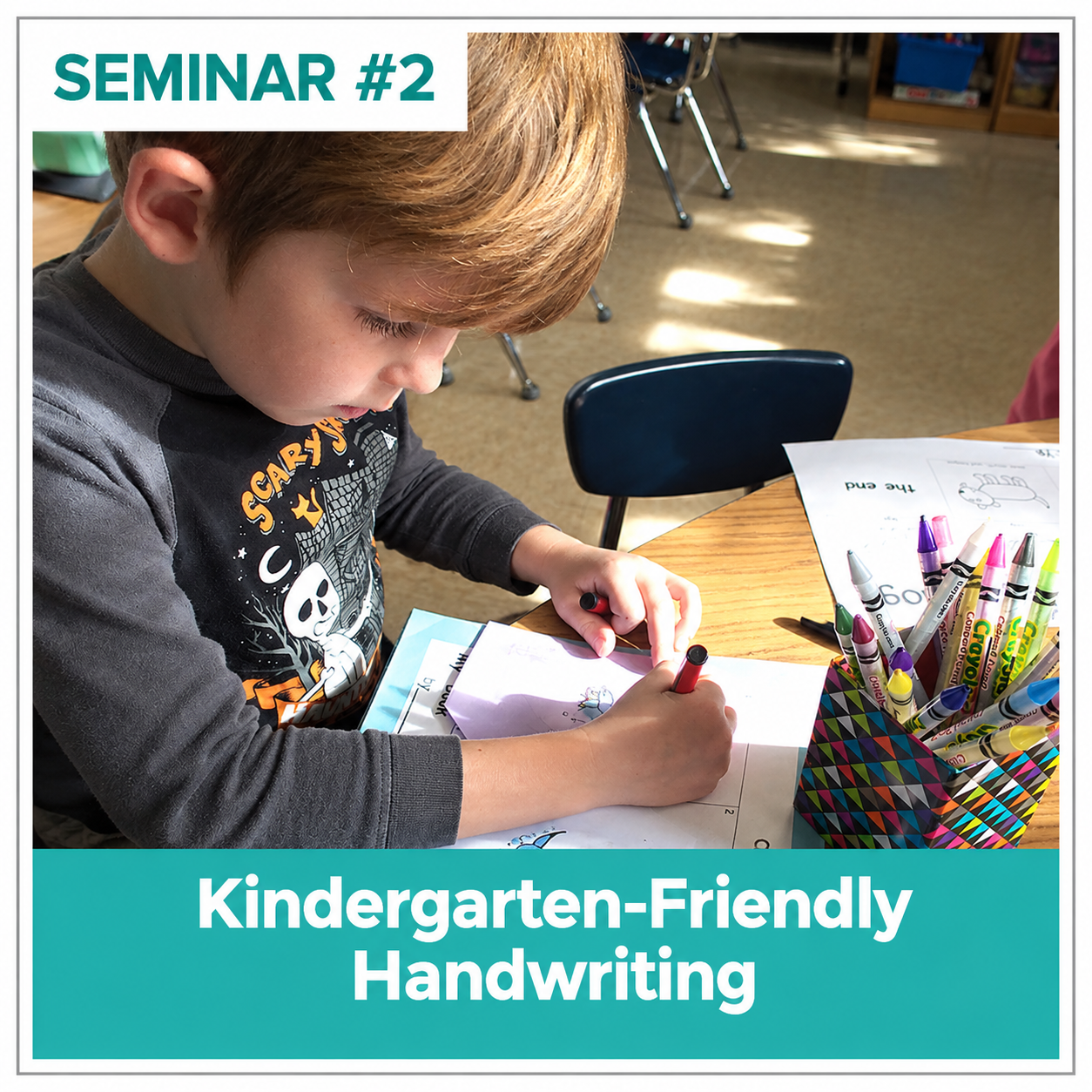
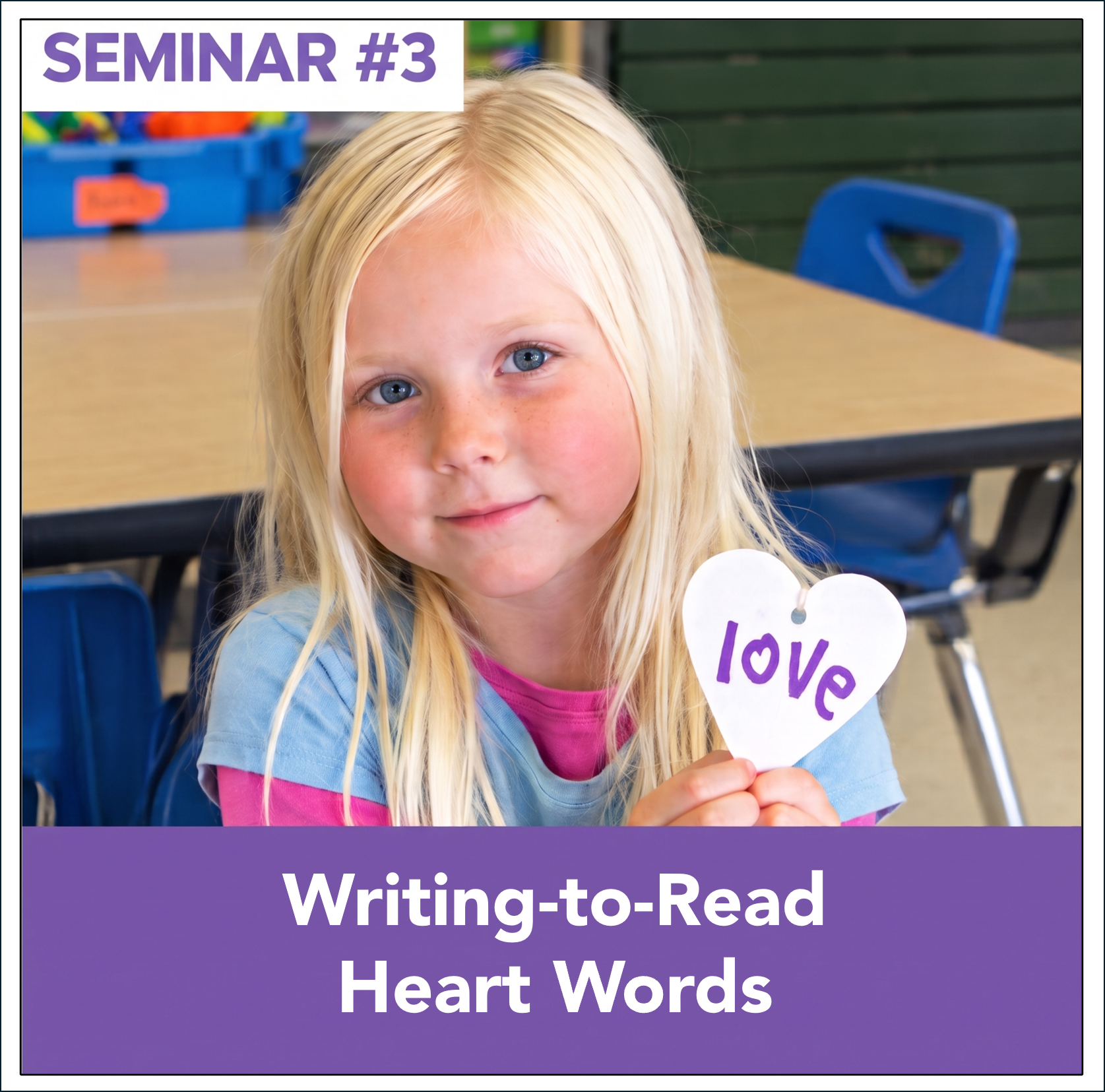
Watch three Nellie Edge Masterclass Seminars — free! Sign up with the form to access all three anyplace, anytime you have a device and an internet connection.
FREE GUIDE: We Love Lists!
Grow young writers with these writing and drawing models! Kids LOVE to write and illustrate lists from picture word banks in this Independent Writing Center. Great for diverse learners.
Use the form to sign up and receive your link to the three free Masterclass seminars, plus full access to our free teaching library.
Bookmark your link to come back to the library anytime, no form needed.
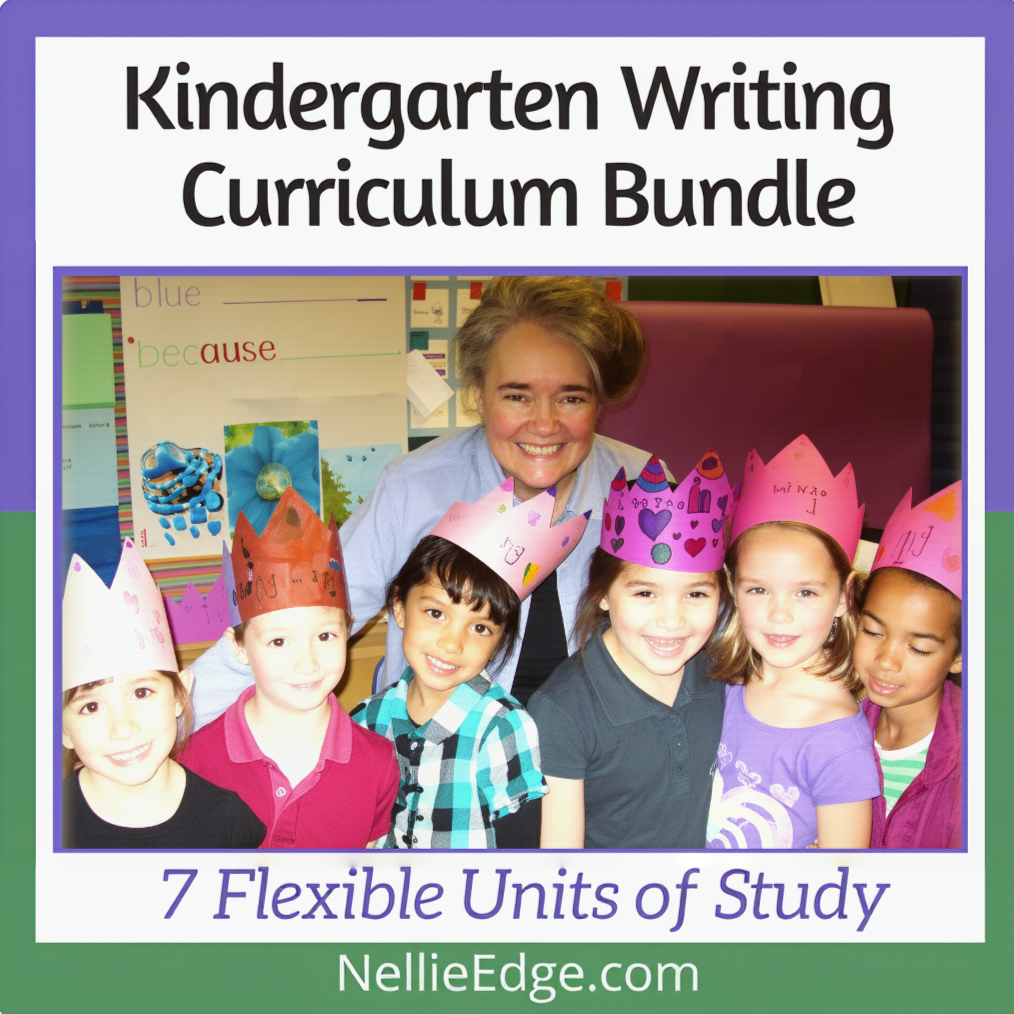
The Nellie Edge Kindergarten and 1st Grade Writing Workshop Curriculum Bundle, available on Teachers Pay Teachers, includes:
The complete writing program
Kid writing Workshop teaching strategies
Guided drawing lessons and anchor charts
Skinny Books, information book templates, and class book patterns
Weekend News Journal templates
Elephant and Piggie–style writing lessons
Publishing tips for young authors and illustrators
How to publish student books
Authentic assessment tools
“Parents as Partners” resources
End-of-year author celebration
More than 400 pages of teacher-tested materials. Available on Teachers Pay Teachers, just click on the image at the right. One purchase, use it every year.
Kindergarten and 1st Grade WRITING WORKSHOP Curriculum BUNDLE!
Narrative, Opinion, and Information
K-1 students love to
draw and write
make books, lists, messages, news stories, and science journals
build circles of writing mastery with “heart word sentences”
experience meaning-centered writing workshop lessons