When handwriting flows, the writer emerges
Something remarkable happens when a child stops struggling with letter formation. Their pencil moves smoothly. They build confidence so they can focus on writing real words and sentences that have meaning. Children become writers and readers.
That’s what good handwriting does. And it’s why Nellie Edge puts it at the heart of her literacy work.
This isn’t about penmanship. It’s about the brain.
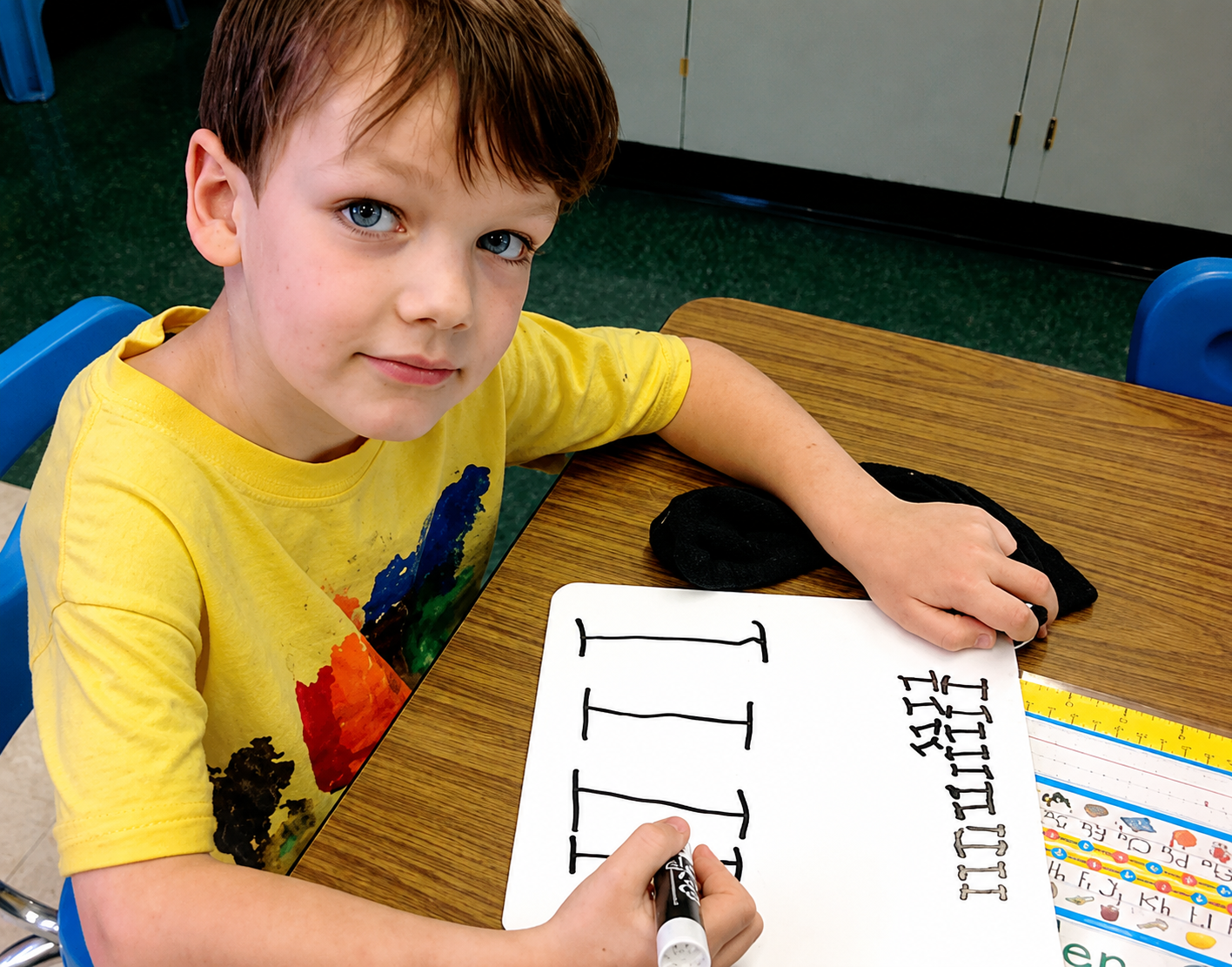
When handwriting motions aren’t fluent, they interfere with the whole writing process. Fluent handwriting helps children write better and faster. It keeps their finger muscles from tiring. It makes their writing easy for others to read. And it builds their writing and reading brain.
The research is clear. At Indiana University, kids who practiced writing by hand grew stronger brain activity for reading than kids who only looked at letters. At the University of Washington, Virginia Berninger found that writing a letter stroke by stroke engages the thinking brain in ways typing can't. And a landmark study by Steve Graham and Virginia Berninger showed that the single best predictor of writing quality in kindergarten and first grade is how automatic a child's handwriting is.
When kids don't have to think about how to make the letters, they can think about what they want to say. That's where real writing begins.
1. Drawing supports handwriting development
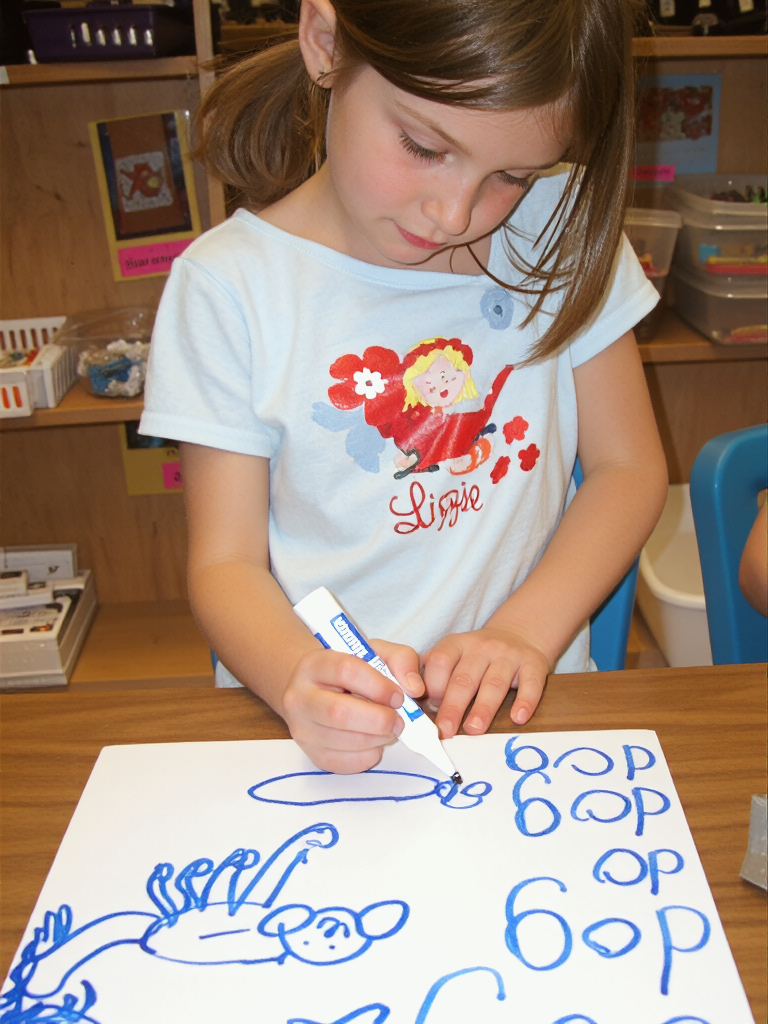
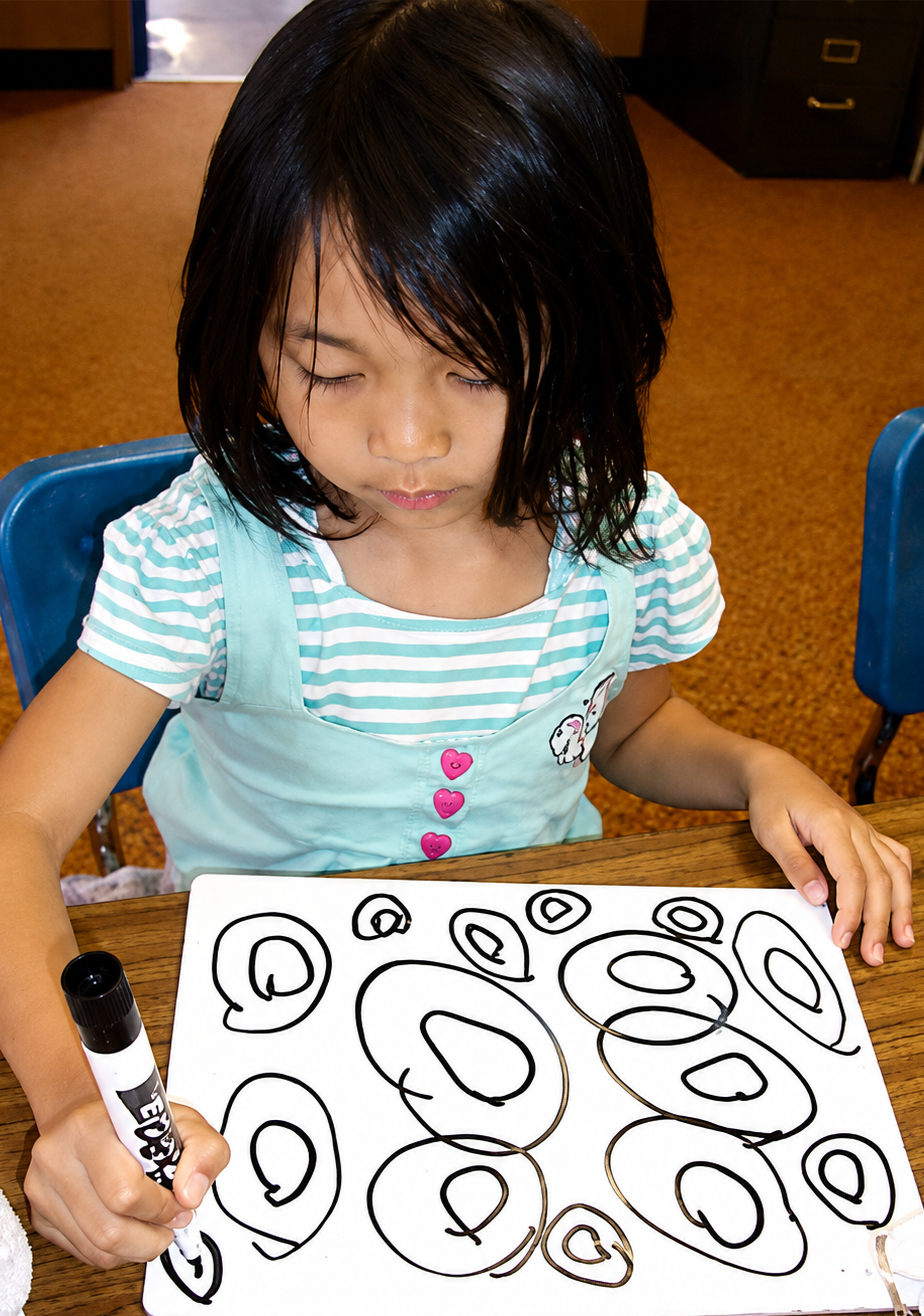
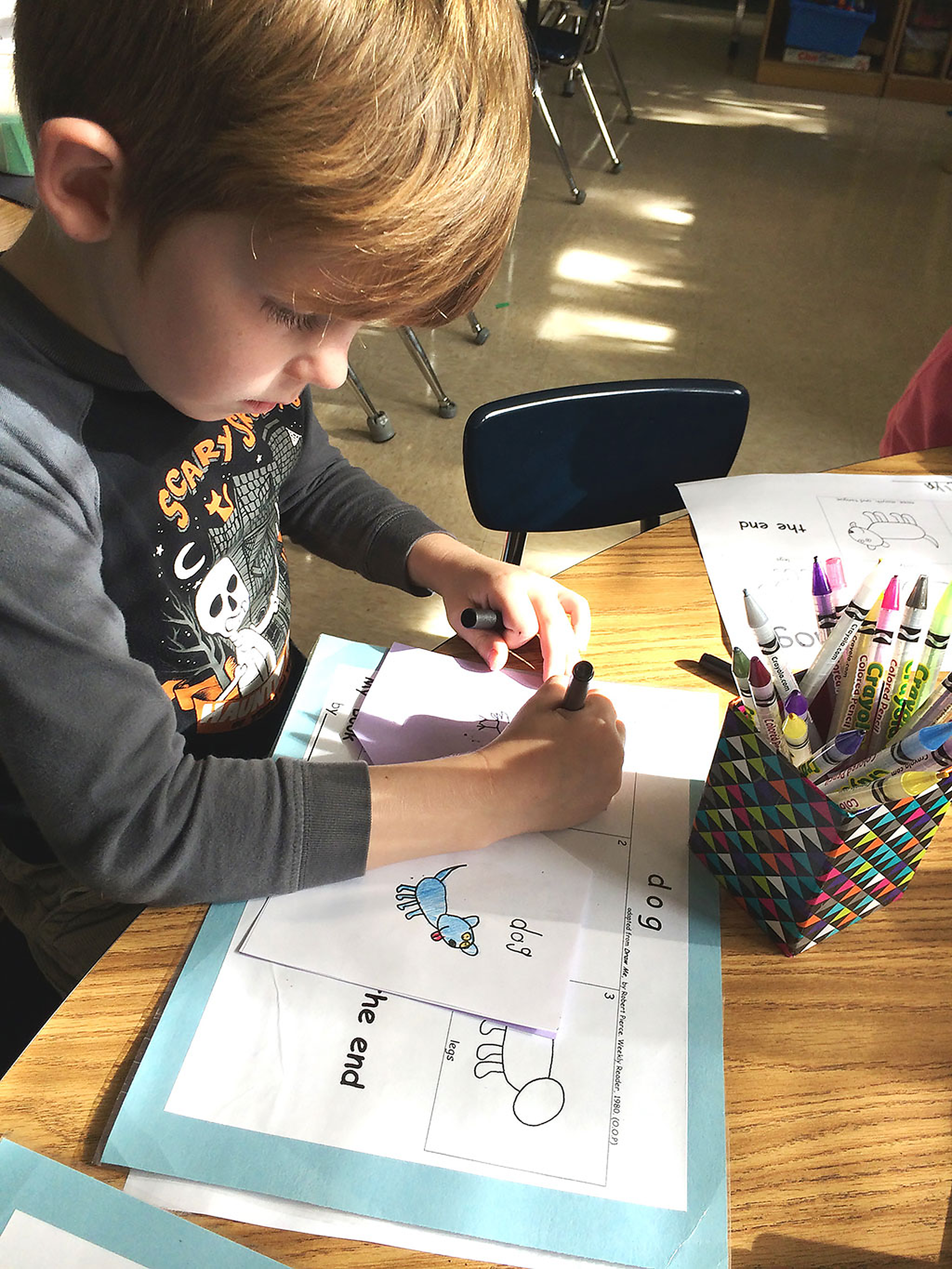
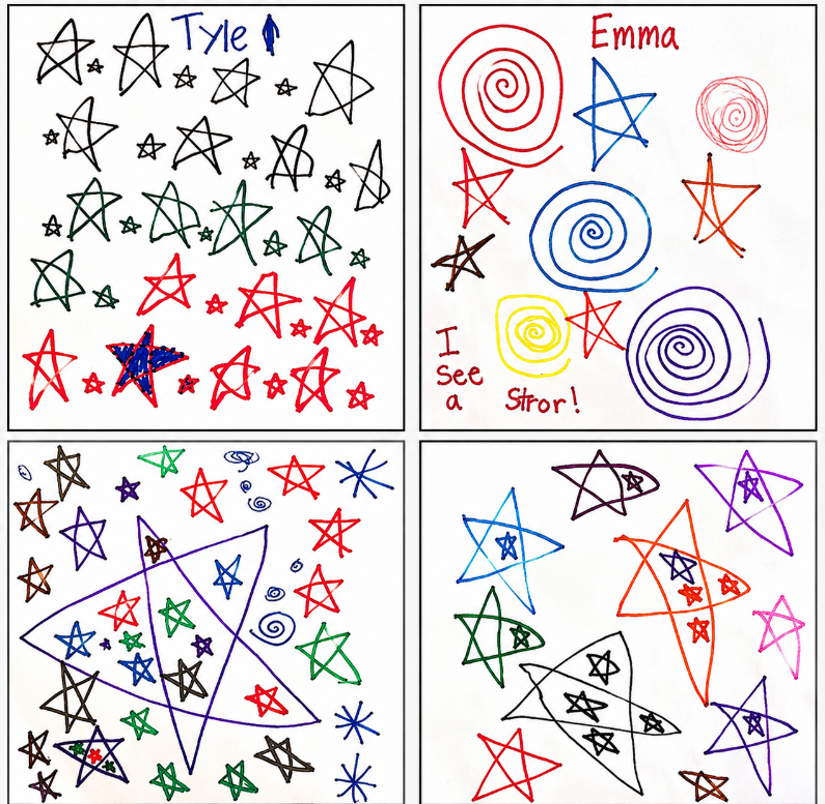
Before kids write a single letter, they draw. A twinkling star teaches lift-the-pen motion. A Van Gogh–style star teaches continuous path of motion. A five-point star teaches the language of directional lines. Kids learn beginning writing patters by drawing. They're building the exact motor patterns they'll need for every letter that follows.
Six things that make this approach work
2. Real words and real sentences from the first weeks of school
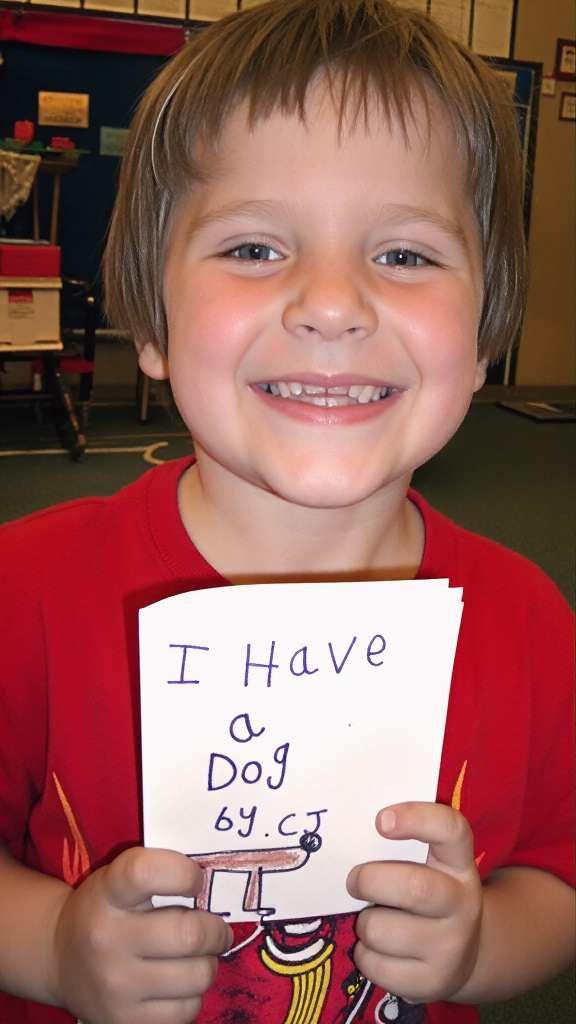
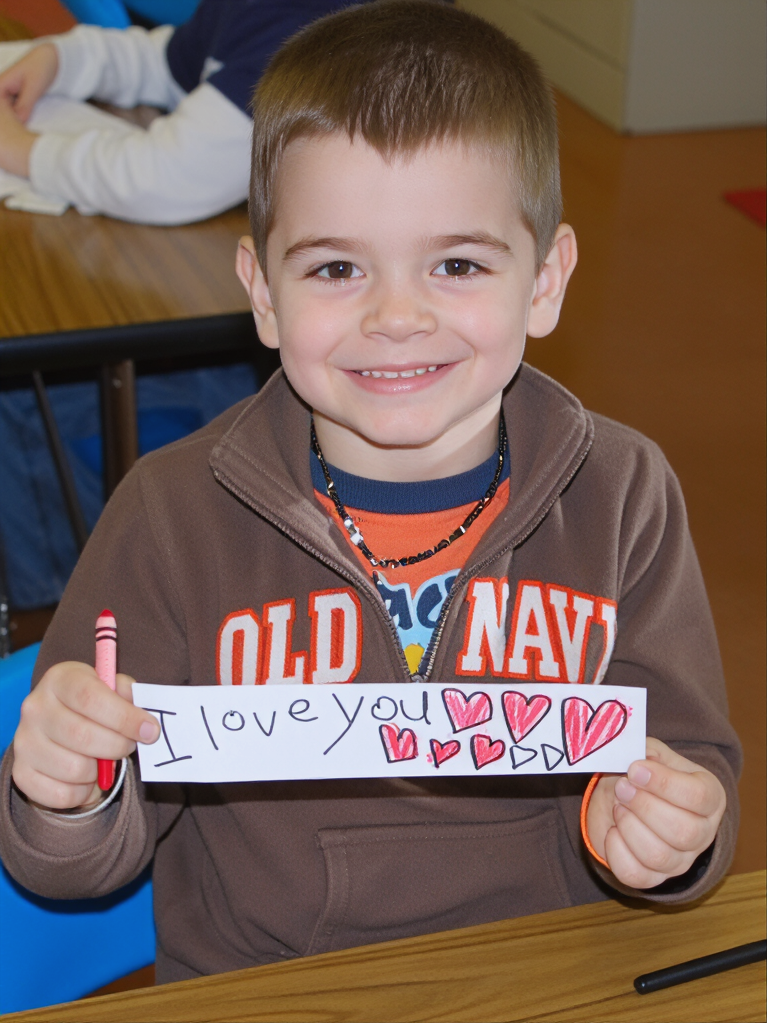
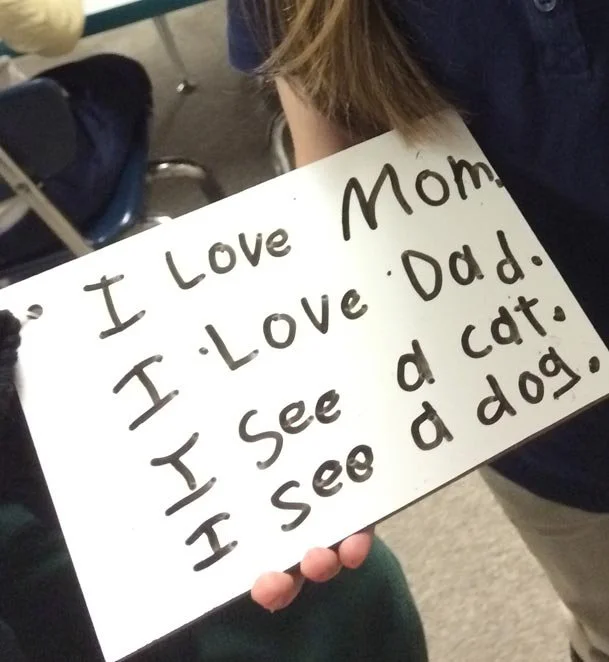
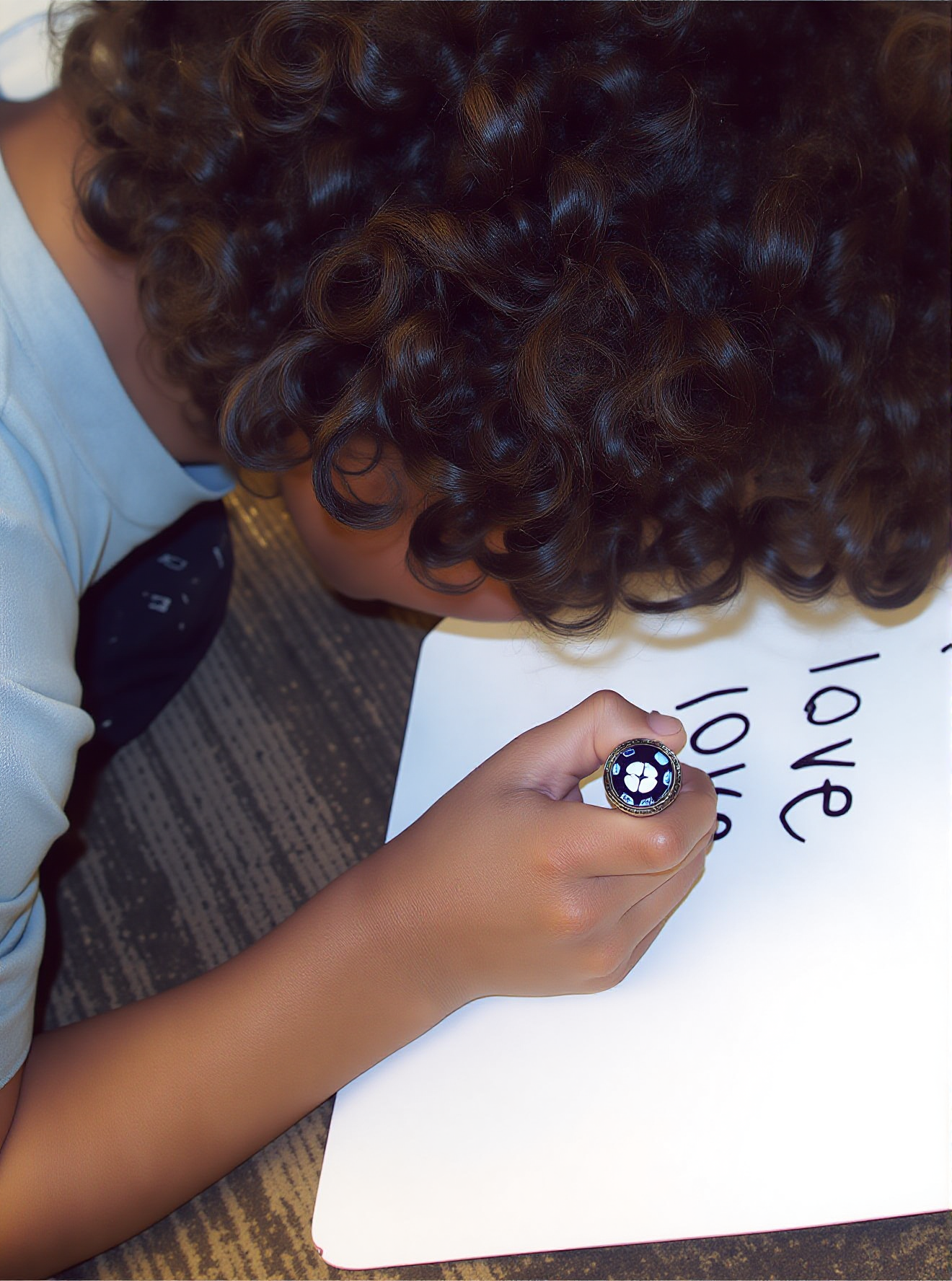
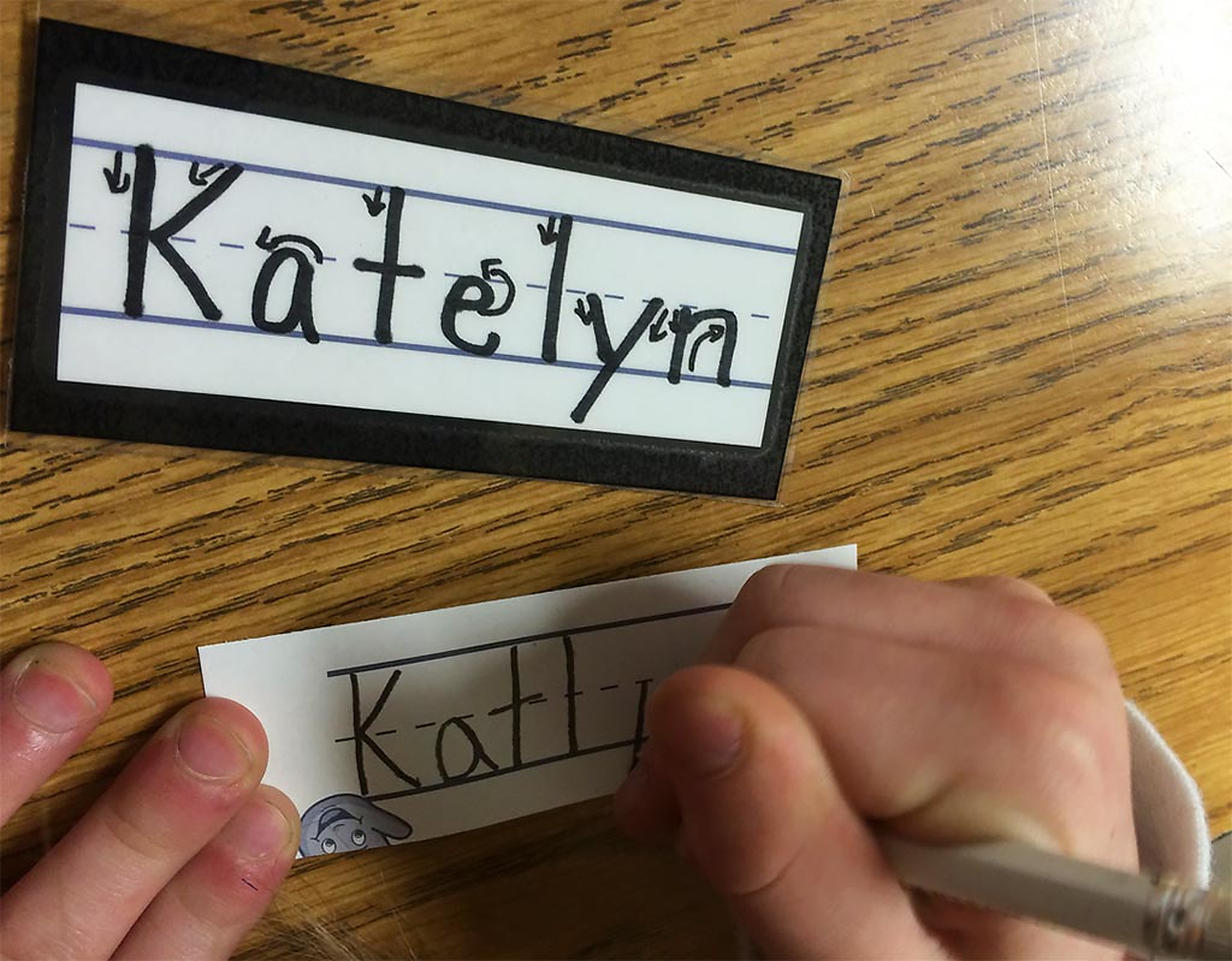
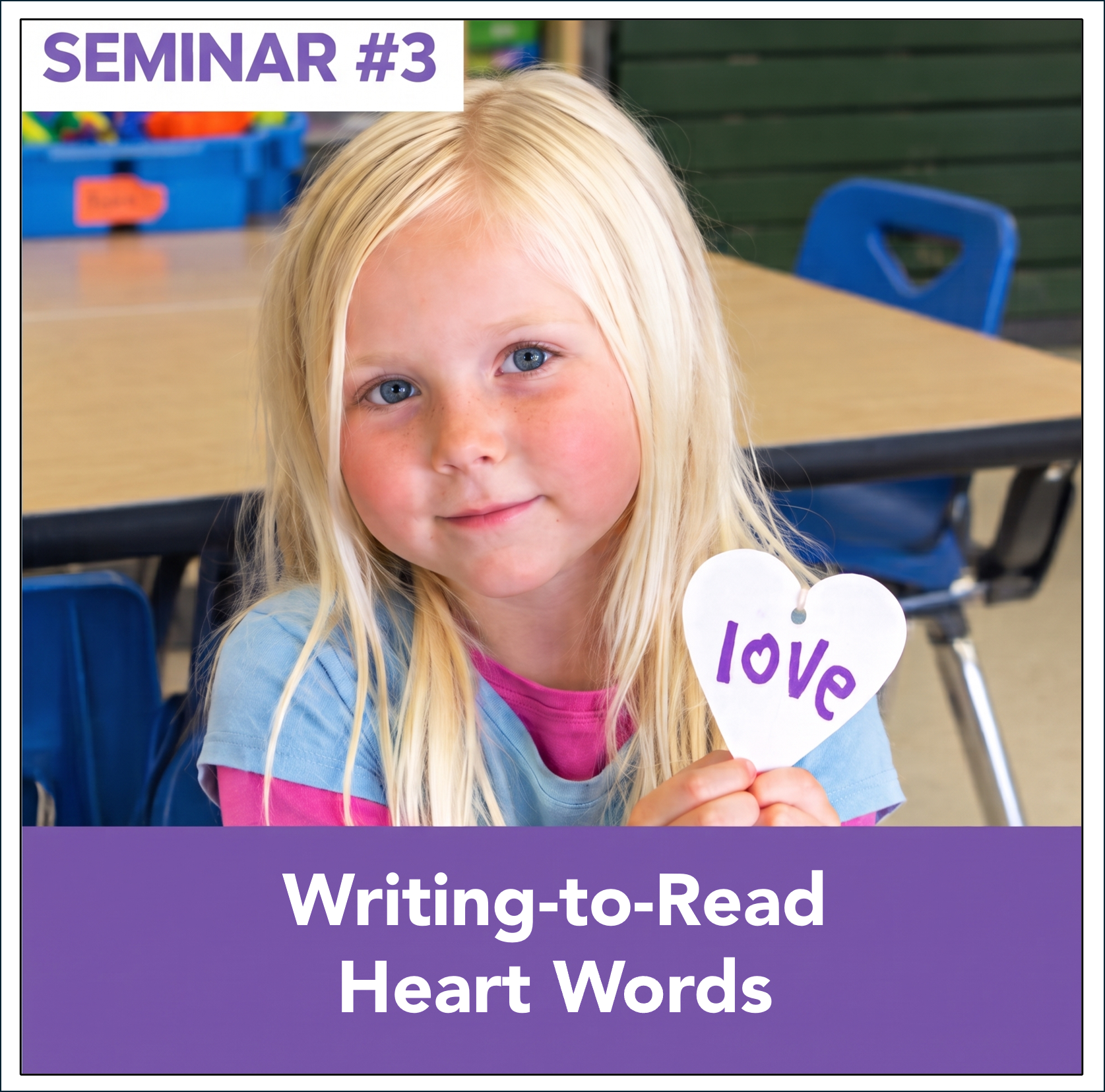
Every letter kids learn goes straight into a meaningful word or sentence. The first sentence is "I love you." Kids write it on skinny papers. They mean it. They take them home to hide for someone to find. Handwriting isn't practice for real writing later. It IS real writing, starting on day one.
3. Multisensory movement patterns
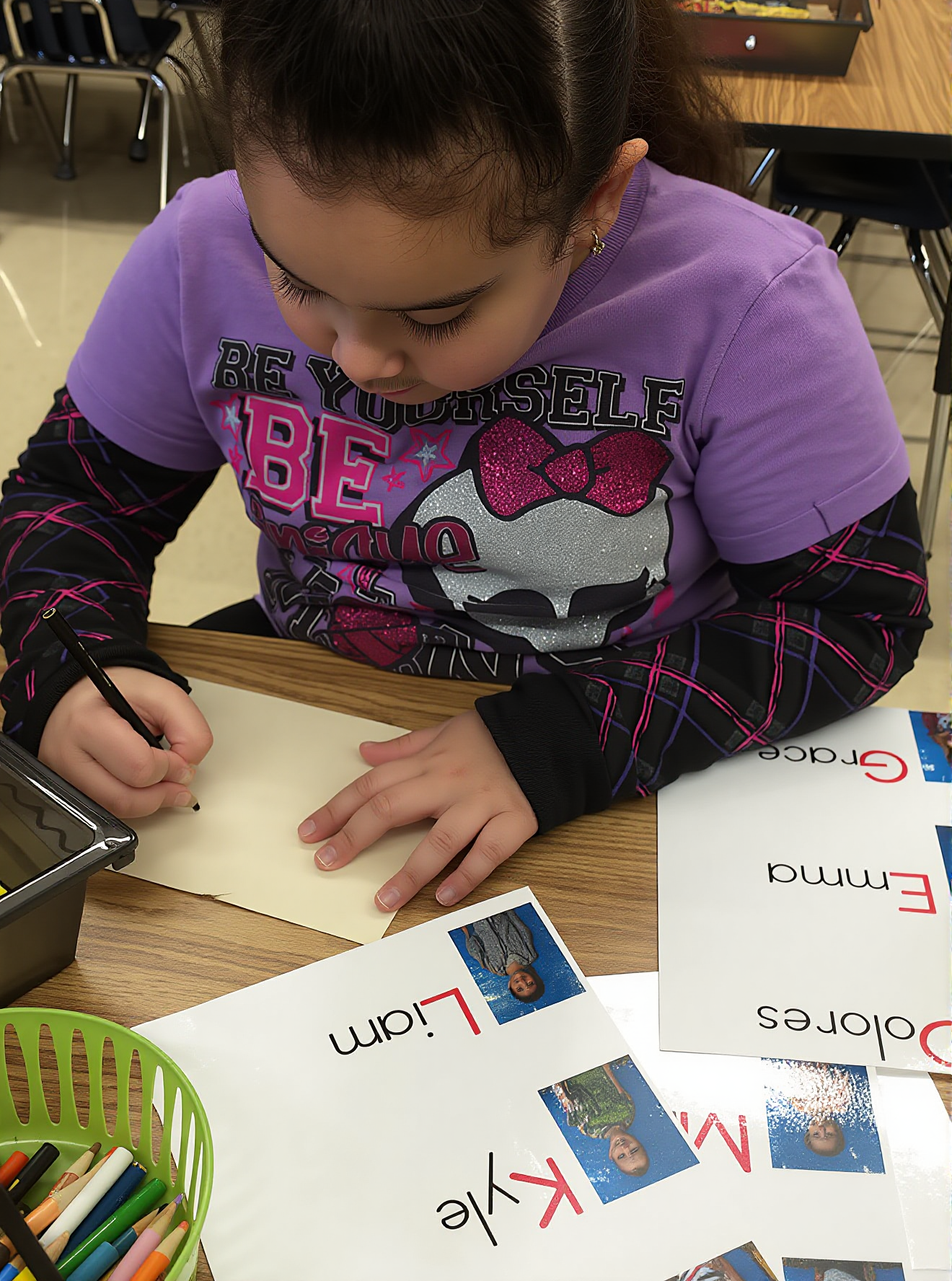
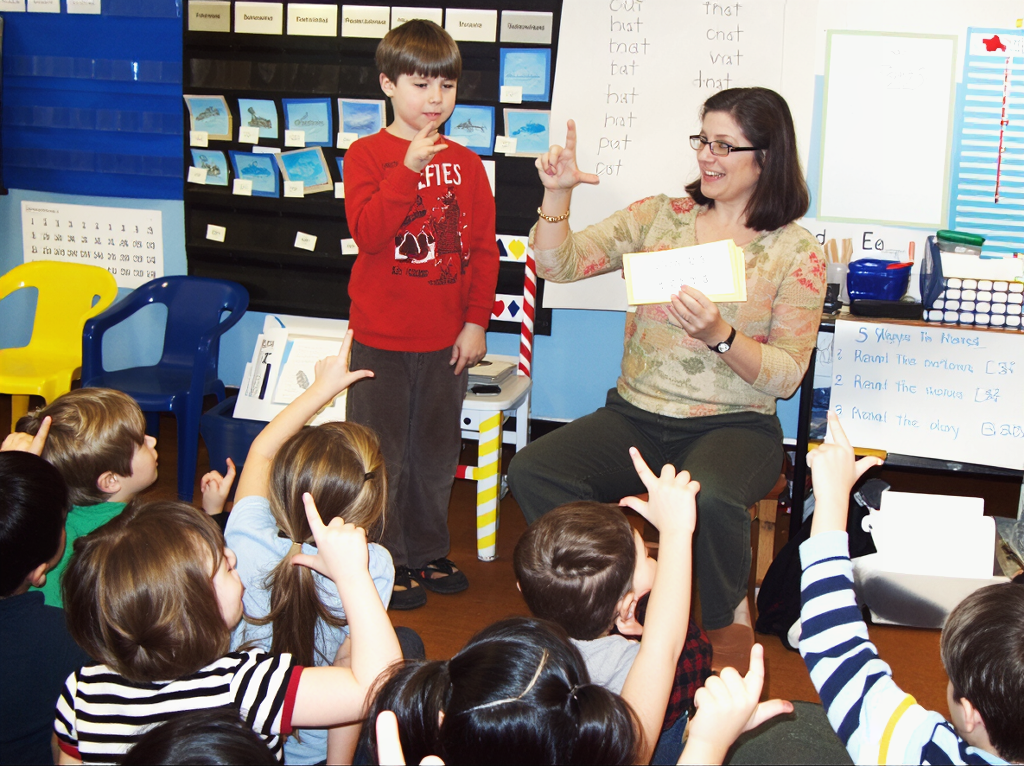
Kids form letters in the air with their whole bodies. They trace them in sand. They finger-write on a friend’s back. They sing songs that name each movement. When the brain learns a letter through movement, sound, sight, and touch all at once, the memory sticks. Sitting still and tracing letters doesn't come close.
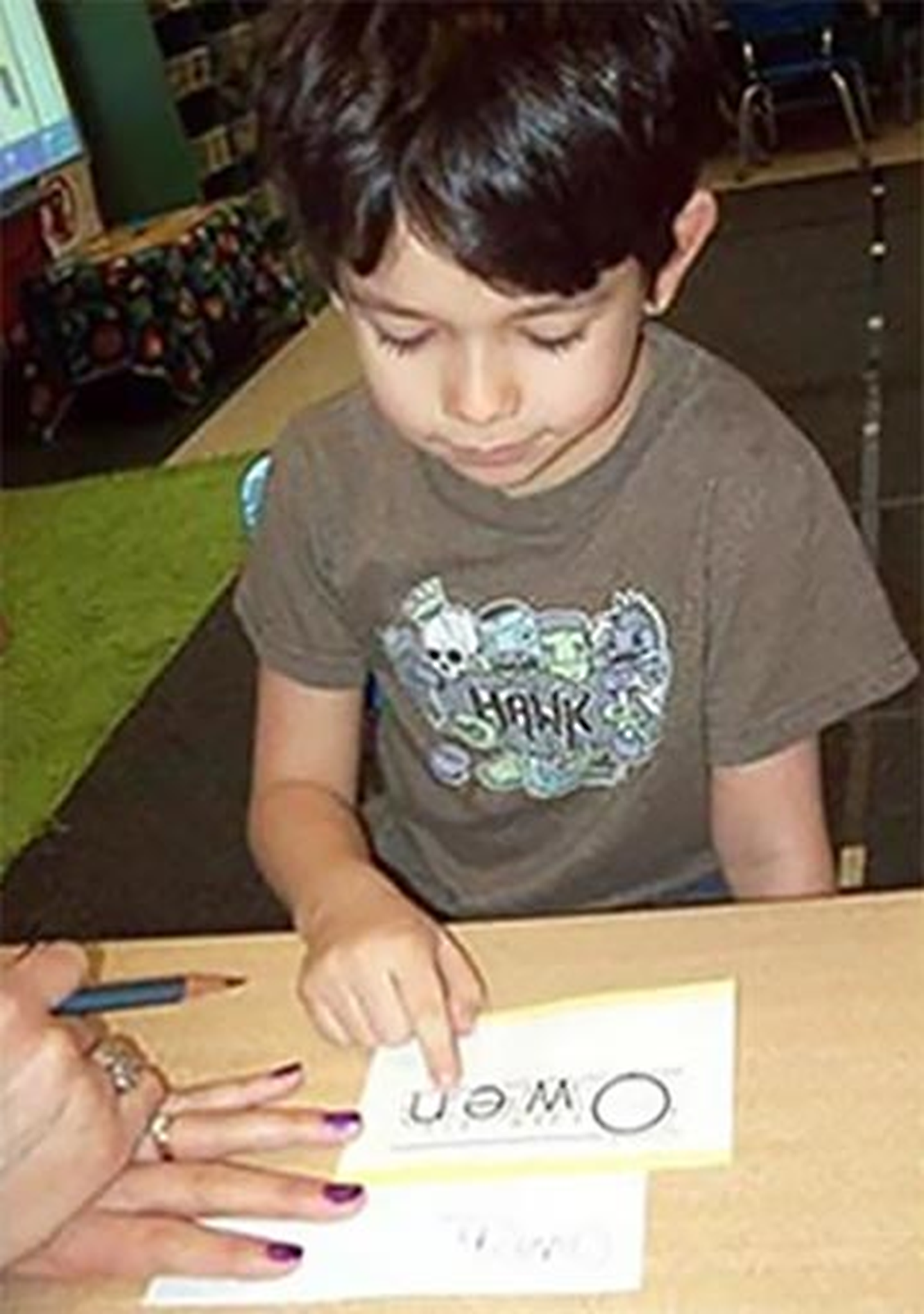
4. Students begin with personal letters—their name
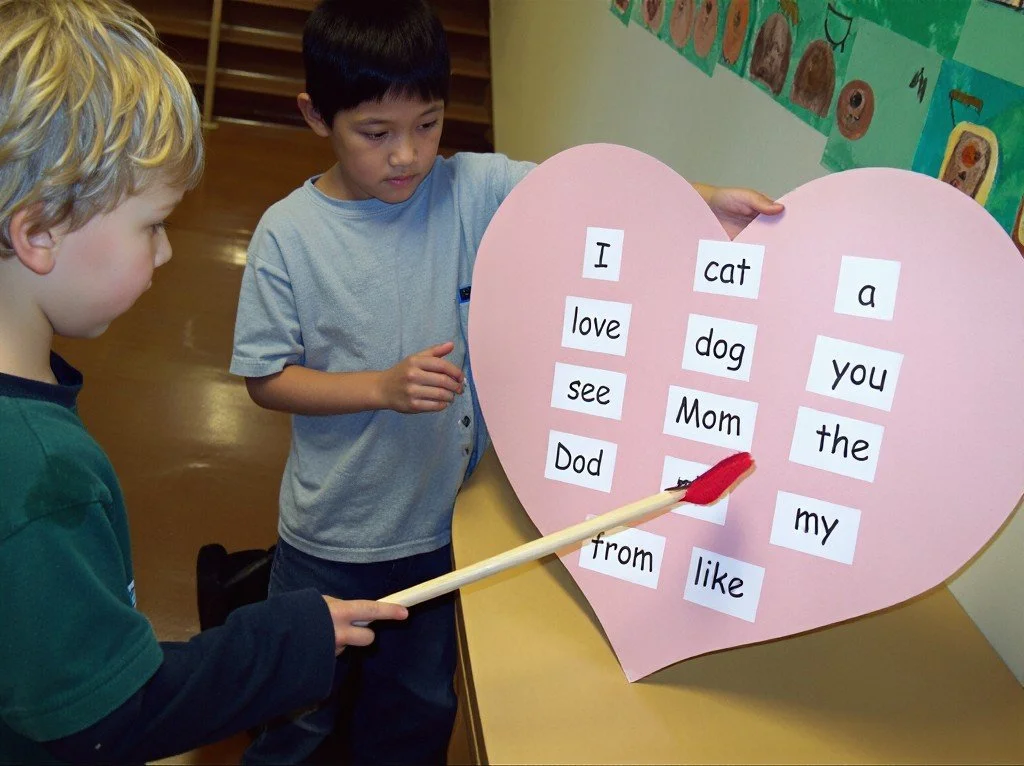
Each student starts with the letters that appear in their first name. Then Heart Words — I, love, you, the ones that unlock real writing the fastest. Confusing letters like d and b are separated by weeks, taught with different language and different movements. This is why kids in this program rarely mix them up.
5. Parents and grandparents as partners
Handwriting practice at home is essential to growing young writers. In our Kindergarten Handwriting, Heart Word and Writing Curriculum students take home Name Ticket Practice Books, Skinny Books, and blank books for Heart Word writing. Families love this. Teachers love this. Kids get twice the practice — and twice the celebration.
6. The goal isn’t just good penmanship — it’s growing confident writers
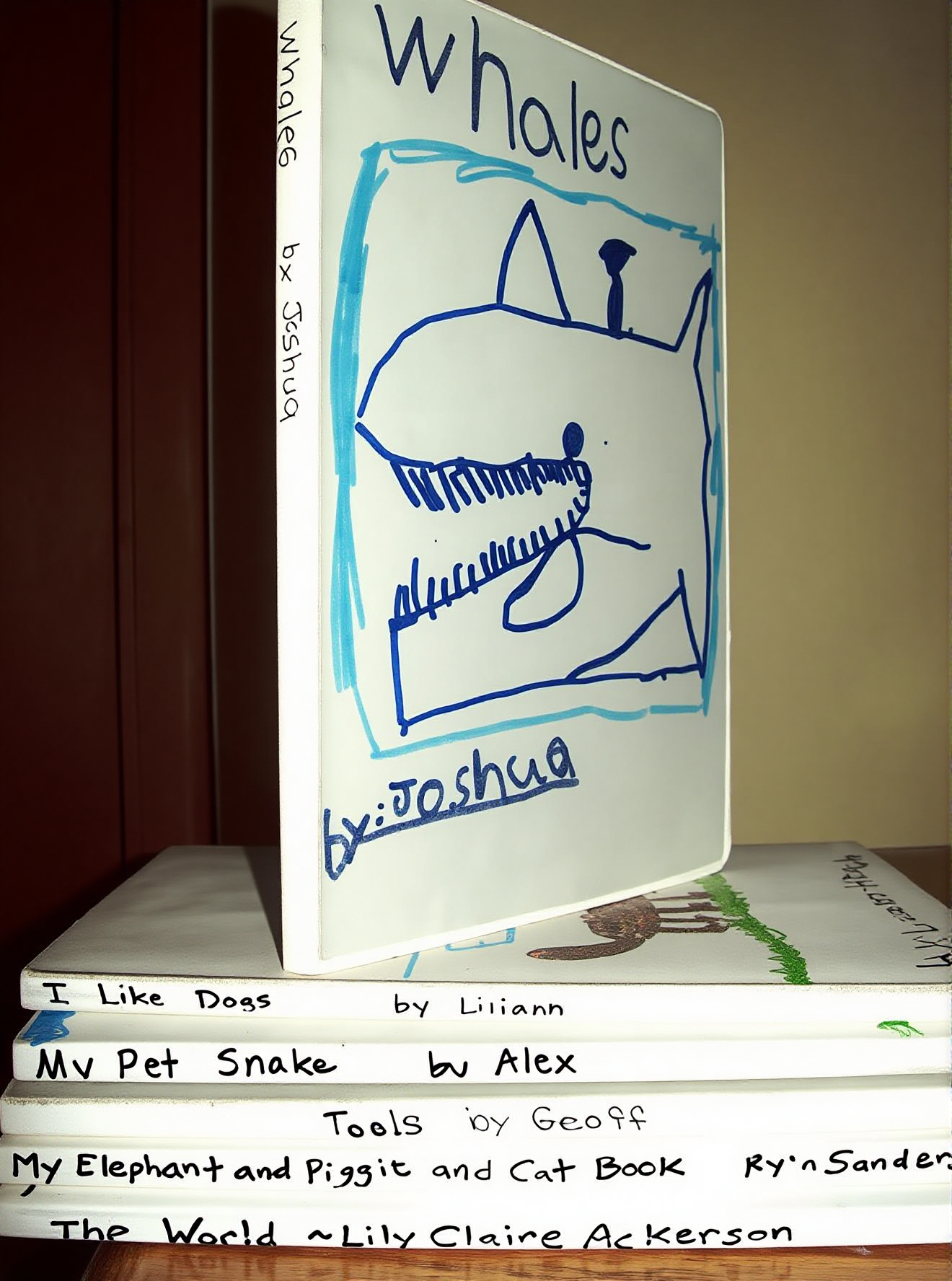
This program isn't about producing perfect letters. It's about giving young children automatic, fluid letter formations that are easy to read. Writing meaningful and legible sentences allows children to create their own little books. They become authors and illustrators, early on.
When handwriting flows without effort, kids can focus on what they want to say. That’s the whole point. That’s where writers are made. Kids learn to write by writing everyday with meaning and purpose.
These lessons are a game changer for my kinders. So engaging and I’ve seen so much improvement. Wish I would have started these in the Fall!” – C.G.
Works in classrooms. Works at home.
This approach was designed by kindergarten teachers for kindergarten teachers — and it works just as beautifully at home. The letters, the songs, the movements are the same. The only difference is the setting. A classroom of twenty or a kitchen table with one child and a pencil.
Teachers make handwriting part of their daily literacy block. Homeschool parents can slow down and give each lesson quality time. Both are effective. Both bring joy. Kids grow as writers either way.
You don't need a teaching degree to do this well. The Masterclass seminars show you the strategies and explain why it works.
Traditional handwriting instruction hands kids a workbook and asks them to trace the same letter over and over. Kids get bored. Their brains disengage. And the practice doesn't transfer to real writing.
Nellie Edge’s approach is different. Kids dance and draw to learn movement patterns. They form letters in the air, in sand, on a partner's back. They practice letters inside real words and anchor sentences — beginning with "I love you." They're not tracing. They're writing. From the very first weeks.
This approach was developed by master kindergarten teachers with over ten years of classroom action-research. It centers on writing-to-read Heart Words and fluency sentences. When you build handwriting fluency this way, you grow confident young writers.
What does this look like from September to June?
A Year-Long Guide for Kindergarten-Friendly Handwriting maps it out, step by step. Yours to download.
No more mindless tracing
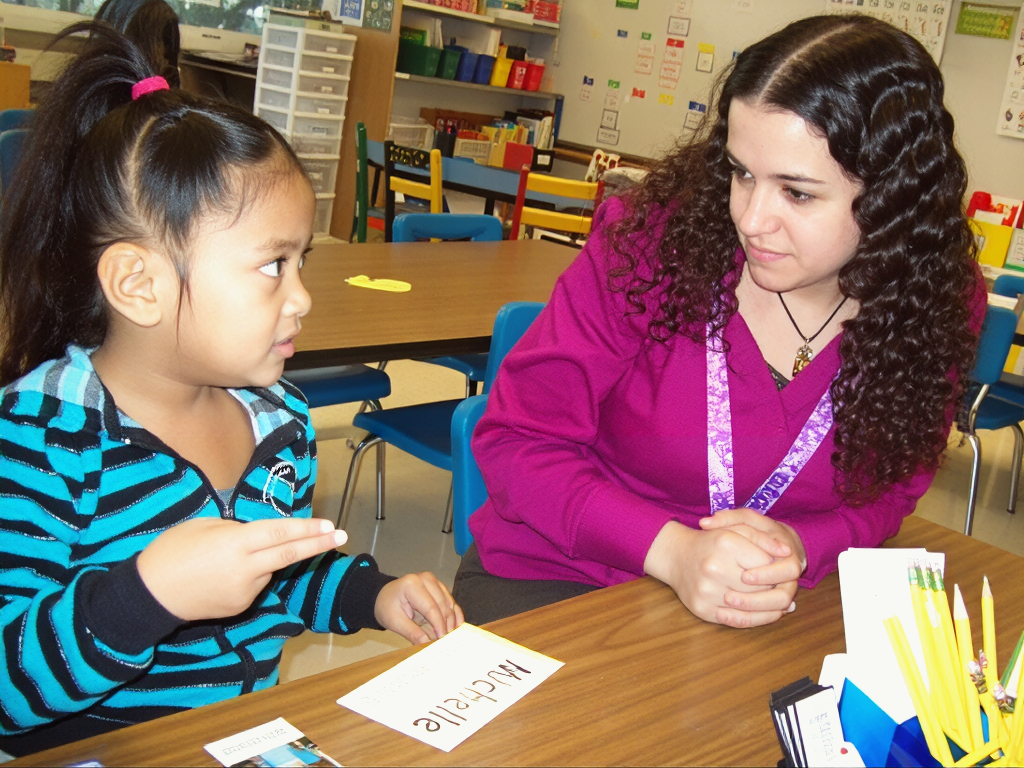
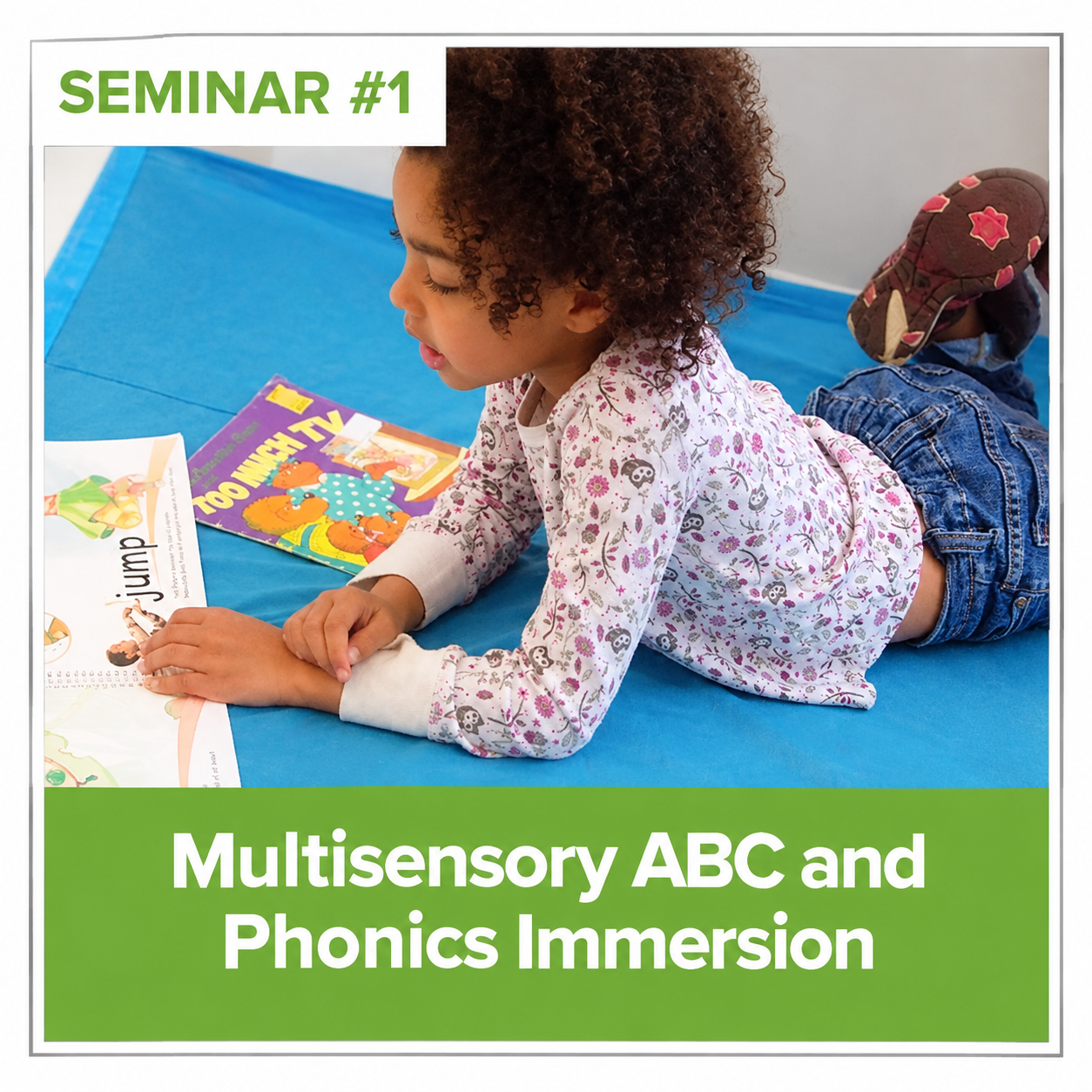
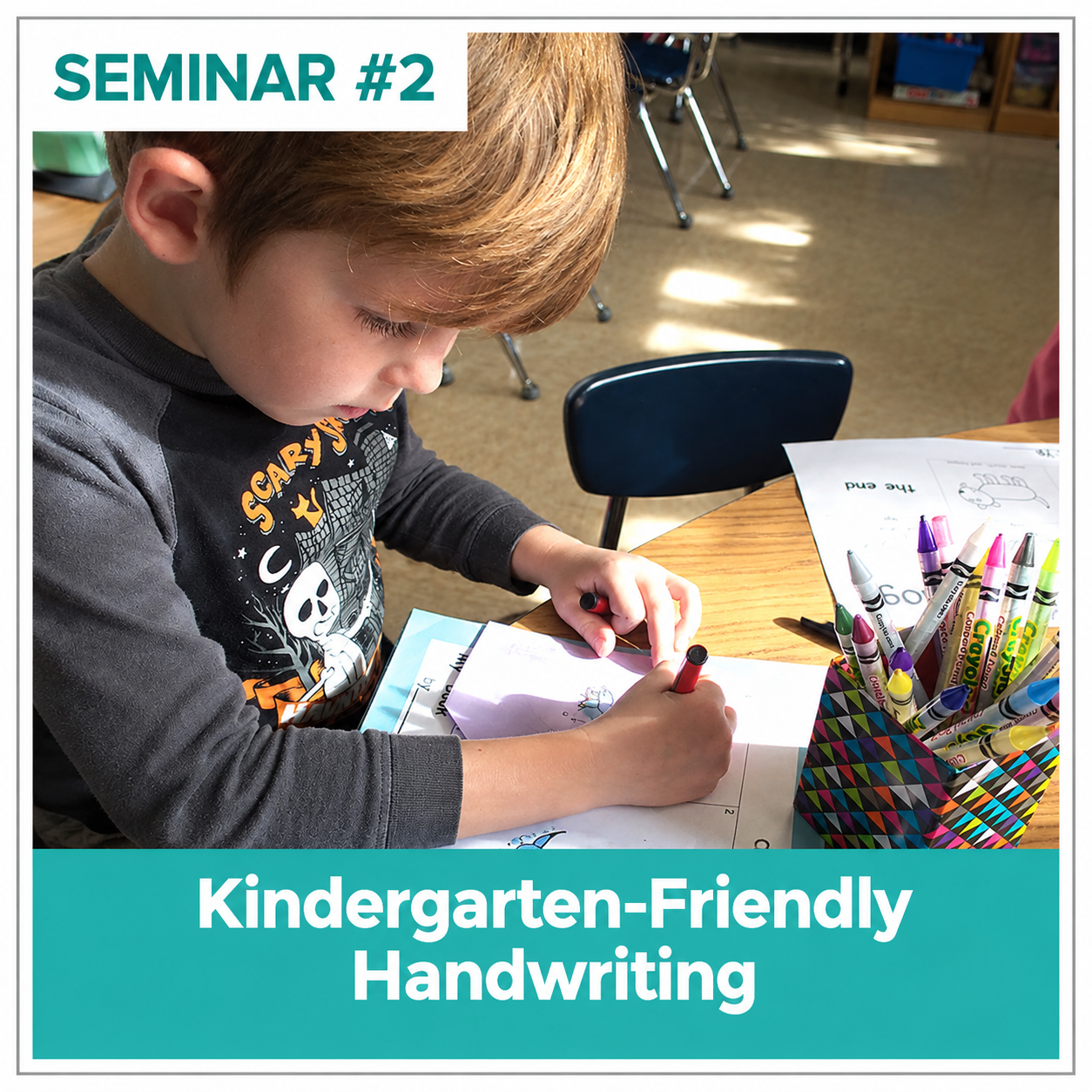
Three free Seminar videos: Learn from Nellie Edge
Watch and learn from the seminars that changed thousands of classrooms
For more than thirty years, kindergarten teachers like you have left these Masterclass intensives ready to teach differently. They saw their classrooms came alive. Early learners sang, signed, and wrote their way into reading, and the joy came back into teaching. Watch all three seminars free.
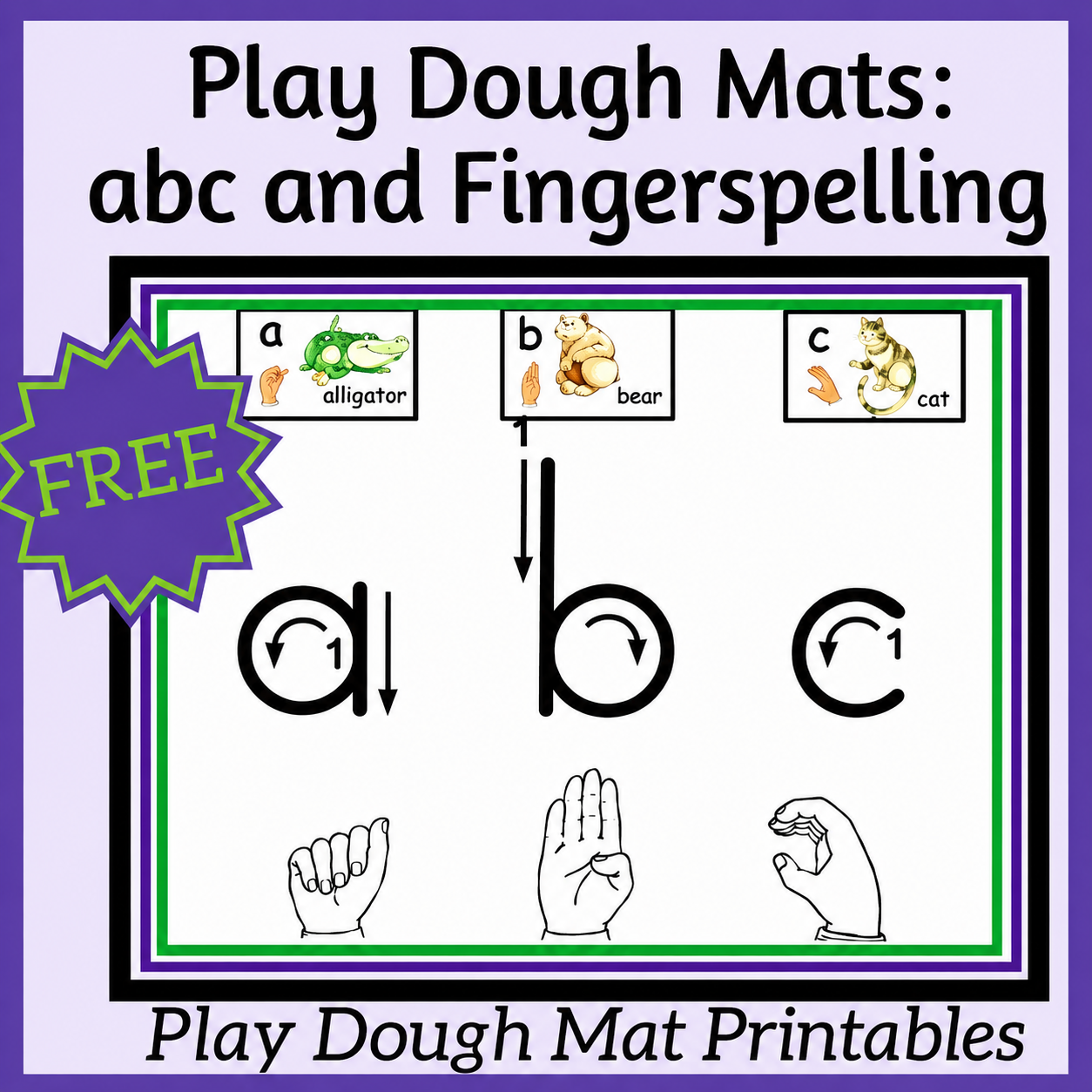
FREE: Play Dough Mats guide to teach abc’s, phonics and fingerspelling
Squish, spell, and learn!
These a–z play dough mats make multisensory word work irresistible. Early learners build fingerspelling, handwriting motions, letter recognition, phonics, and fine motor skills, each at their own pace. Play dough recipe and parent letters included.
The complete handwriting program
The Nellie Edge A–Z Kindergarten Handwriting, Sentence Writing, and Drawing Curriculum Bundle includes:
Handwriting Teacher's Guide with sample parent letters
Essential Handwriting Lessons in the order that builds fluency fastest
A-Z Practice Books for daily letter and word work
Name Ticket Practice Books to send home with families
Drawing lessons that teach movement patterns (twinkling stars, Van Gogh stars, five-point stars, and more)
Full integration with Heart Words and fingerspelling
Available on Teachers Pay Teachers.
One purchase, use it every year.
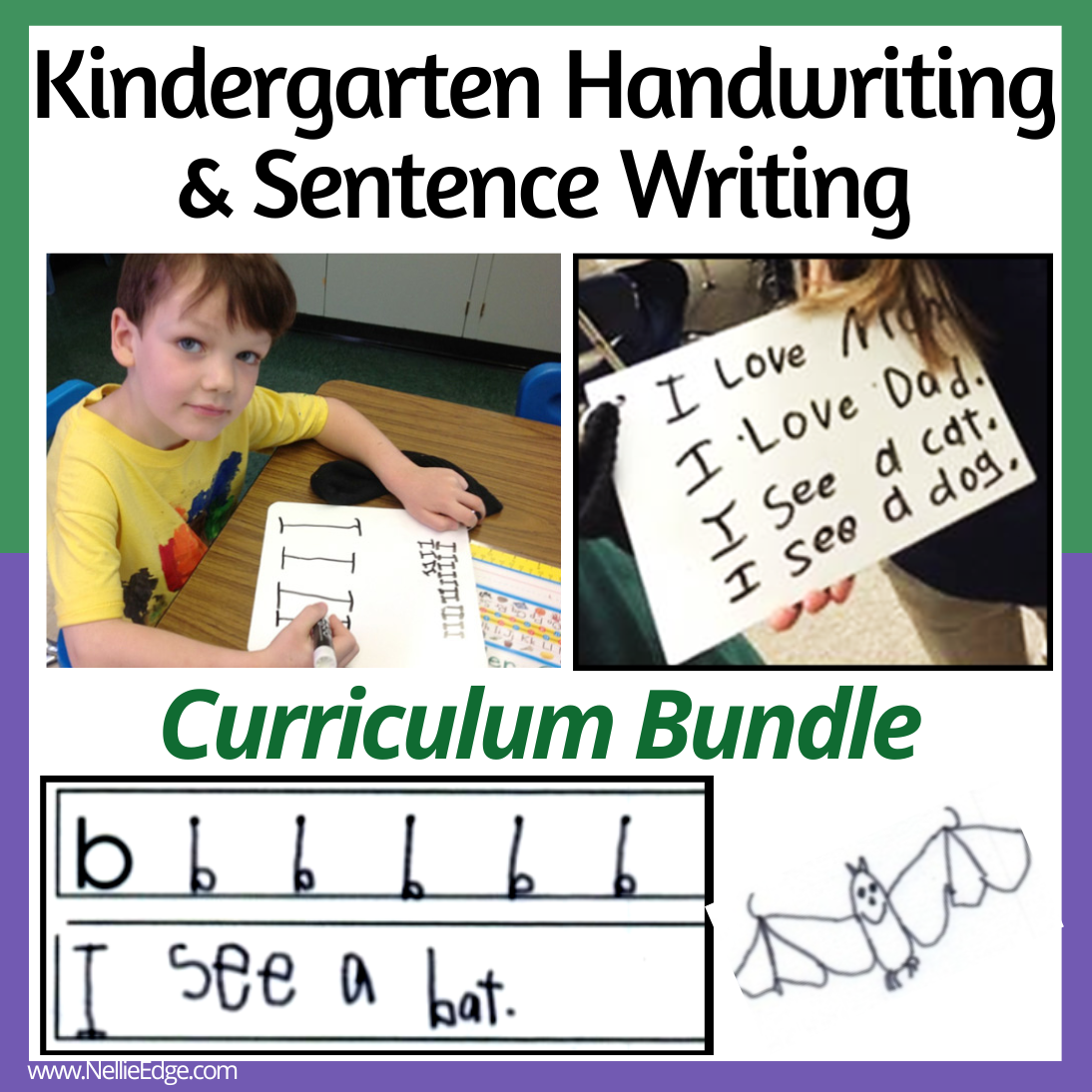
Handwriting is taught in real context: first with each child's name, then with words that have personal meaning, and finally with writing-to-read Heart Word sentences that build stamina for writing workshop.
Lessons are multisensory and brain-friendly. Fingerspelling, letter recognition, songs, chants, and dances work together, and beginning sounds are taught step by step while children practice handwriting.