Once we get the community right, the levels of learning soar.”
- Ralph Peterson
Kindergarten: a garden where children grow
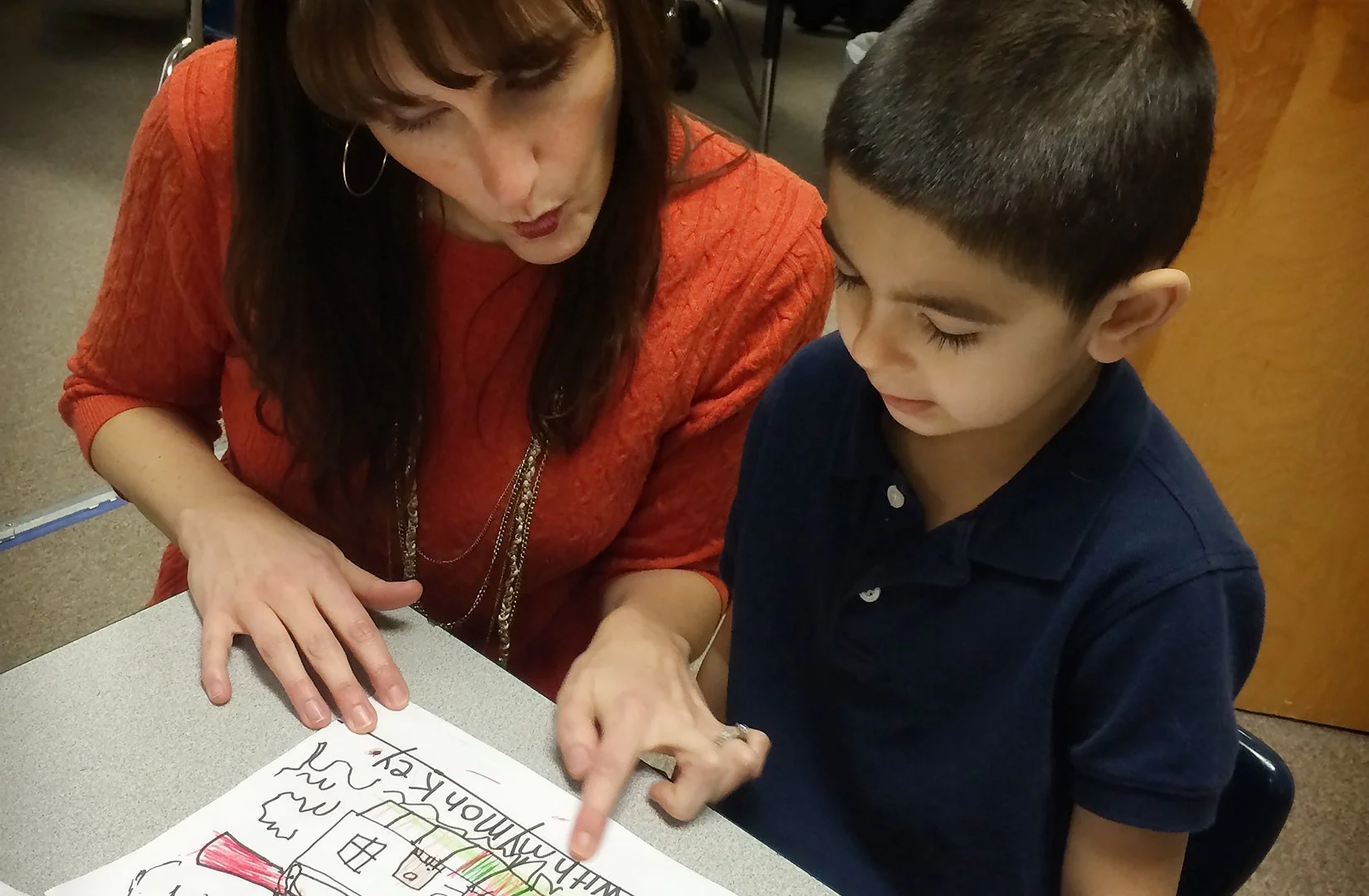
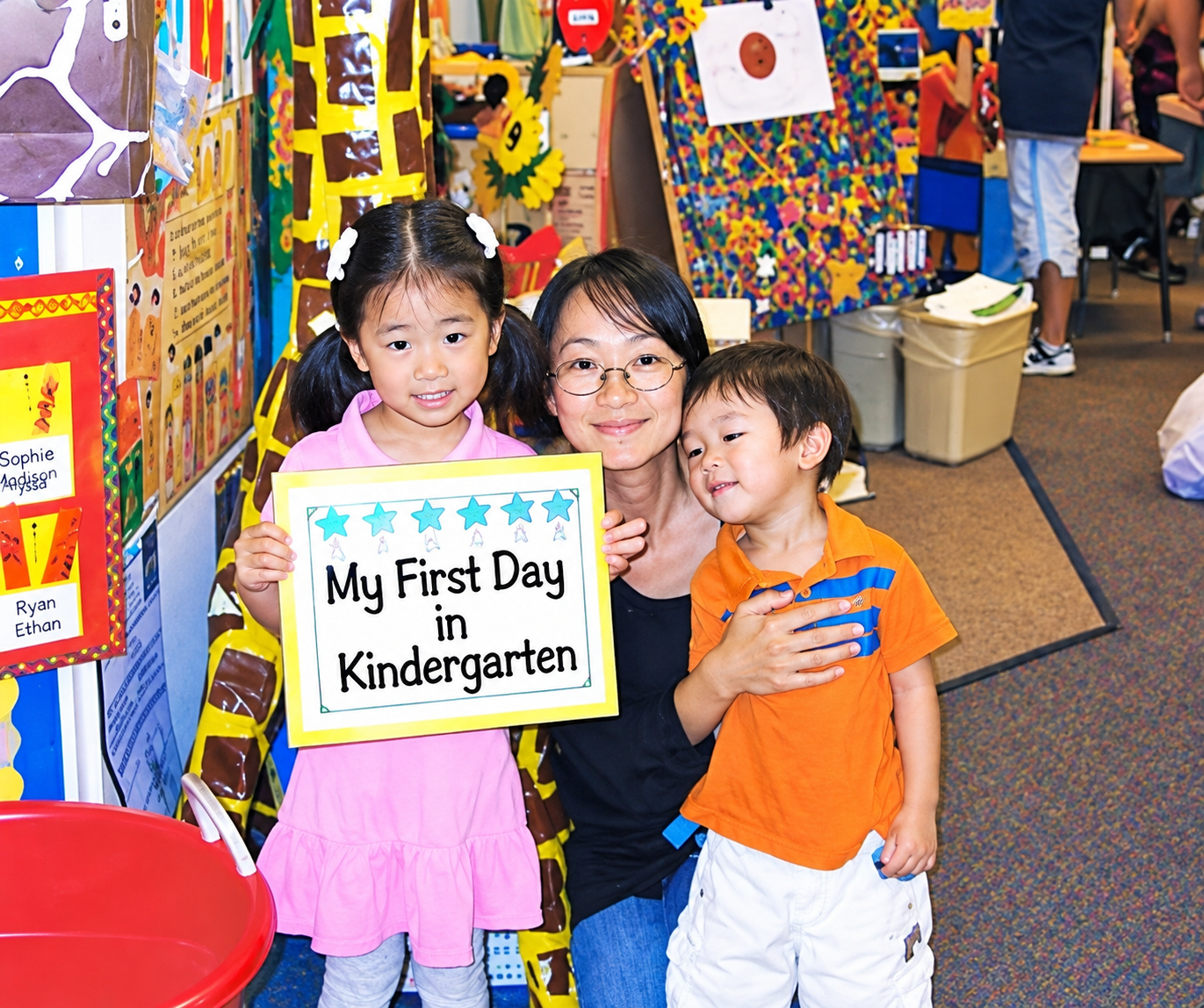
What a community of accelerated learning looks like. Walk into a joyful, active, art-rich kindergarten, where teachers have studied with Nellie Edge, and you’ll hear it before you see it. Singing. Dancing. Playing. Children reading their own Little Books out loud to a friend. Look closer and you’ll see nobody’s competing and everybody’s helping. It isn’t soft, and it isn’t “just play.” It’s the most rigorous kindergarten you’ll ever see — and the happiest.
Here is what we value. Everyday. Belonging is the curriculum. Character skills are what we teach. Accelerated literacy is the result. Children learn to work hard, help each other and be kind.
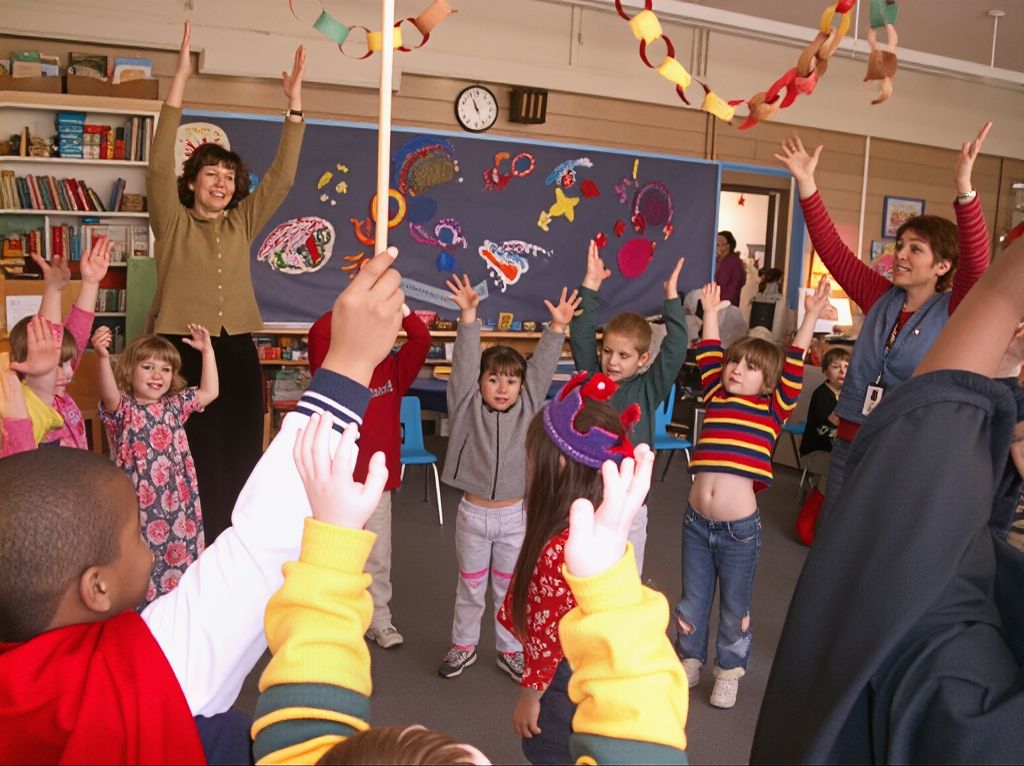
Research proves it, a quality kindergarten matters. The earliest school experiences can affect students’ subsequent quality of life.
1. Let imagination lead, and watch language and literacy soar
“Imagination is the highest form of intelligence.”
— Albert Einstein
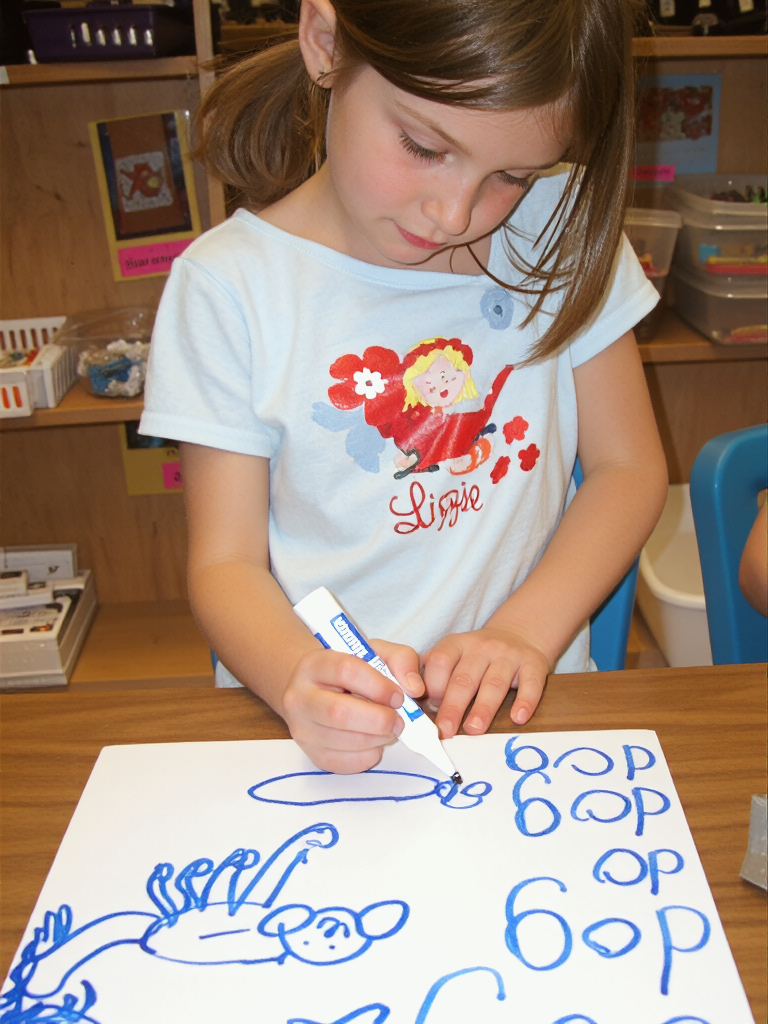
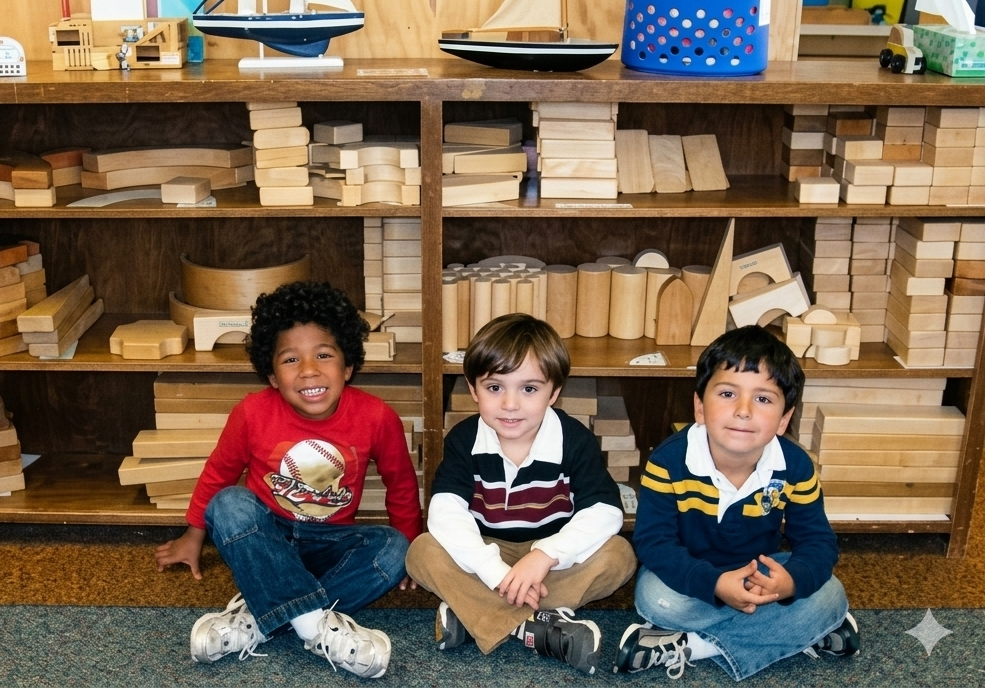
Children who build, create, draw, pretend and make up stories are doing the deepest thinking there is. A tower of blocks is a plan, a problem, and a story all at once. So we make room for imagination every single day — in play, in dance, in art, and in the Little Books children illustrate and the writing and reading follow. They always do.
2. Sing, sign, dance, and hand jive every word into memory
With happy hearts we dance and sing. Sounds of language fill the air.
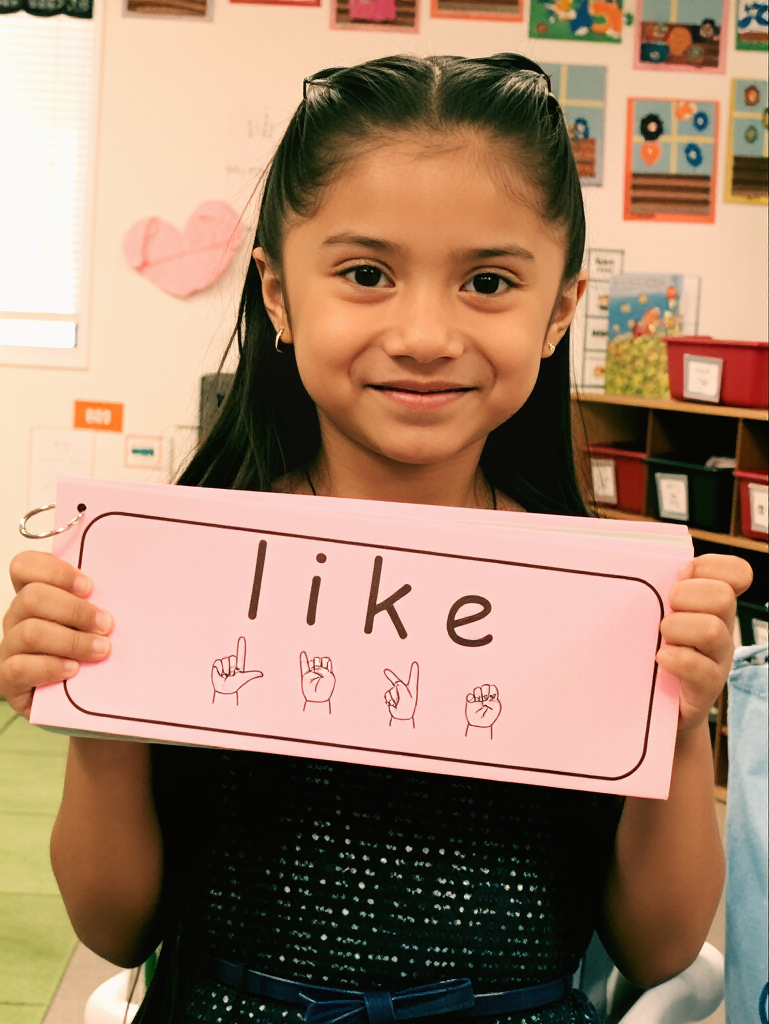
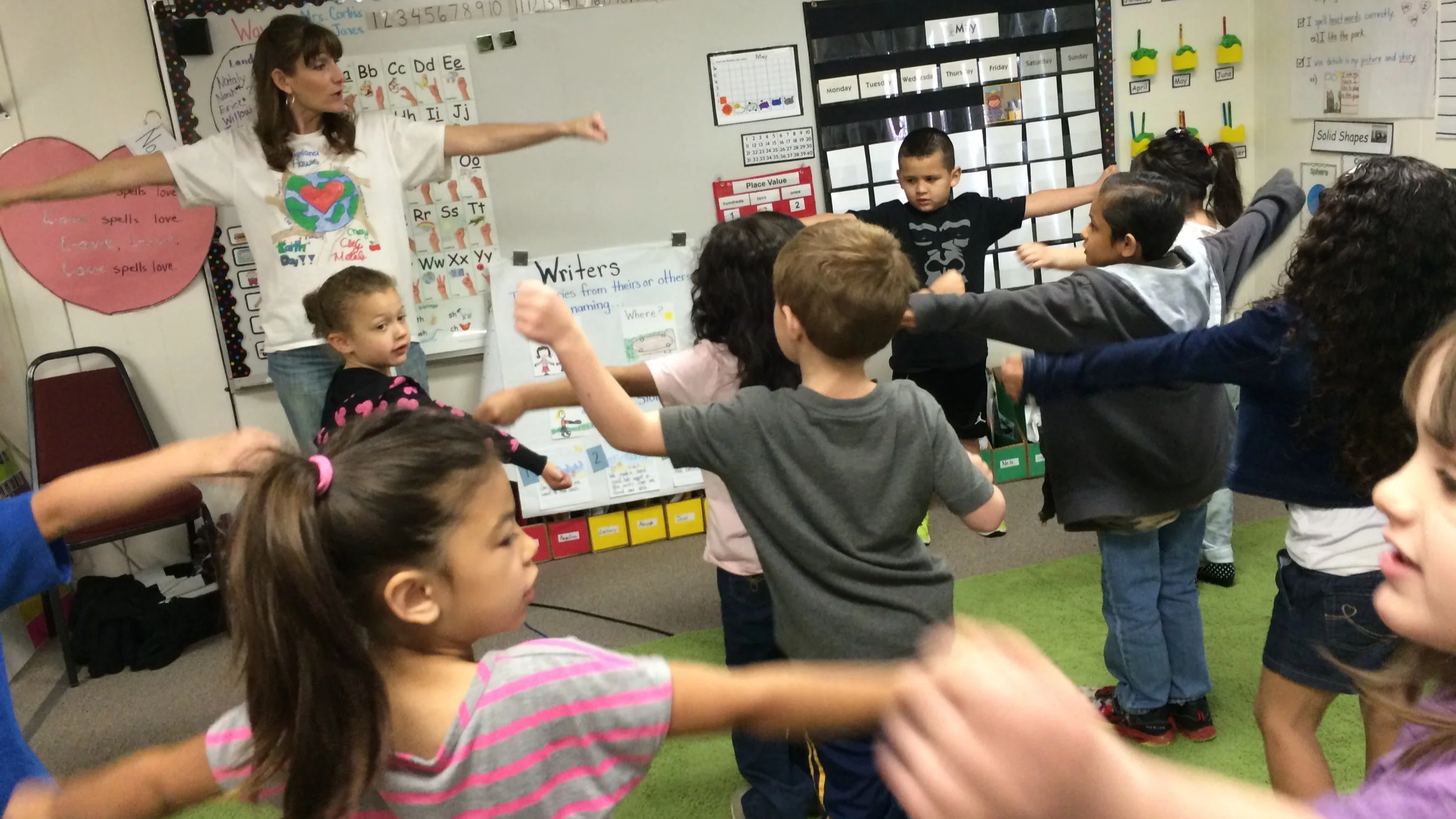
Music is magic for language and literacy. A song teaches a Heart Word, a dance or hand jive teaches how to form the letter “o,” and fingerspelling in American Sign Language (ASL) turns phonics into something a five-year-old can feel. Students make up a song and dramatize flamingo facts before writing their information books. When Kindergartners act out a song about flamingos, they learn science facts too. Rhythm and melody carry words and ideas into memory, and keep them there.
3. Create a class of friends who help each other learn
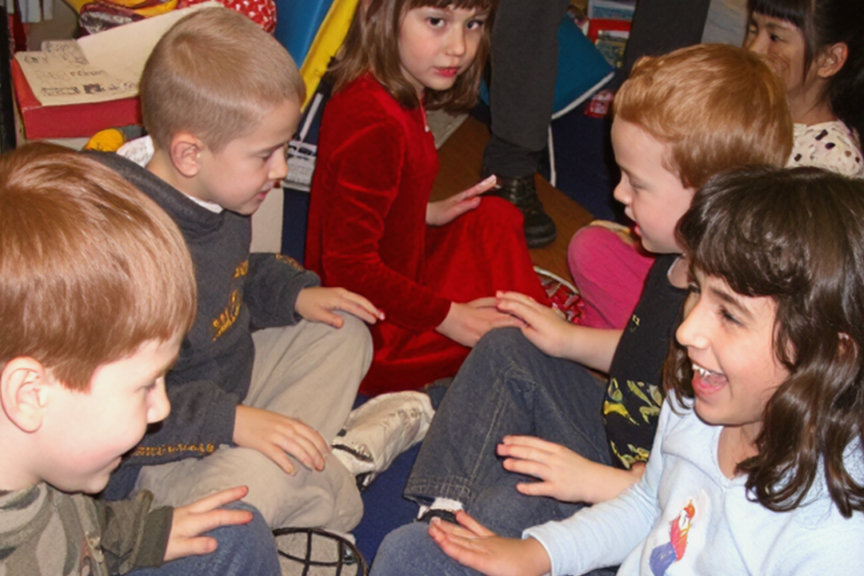
Our class is called “Kindergarten Friends”, and the question we ask all year is simple: “How can we help our friends?”
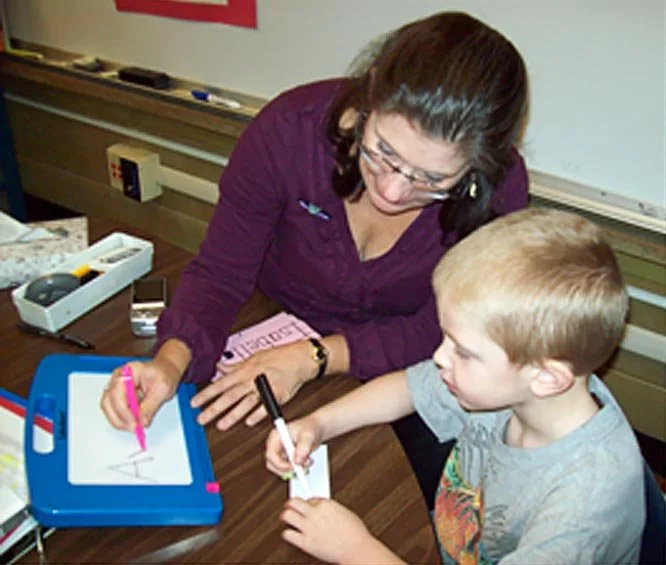
From the first week, children learn every name, greet each other, and work with “buddies”. Nobody is ranked. Nobody is left out. When children learn to support one another, they learn twice — once for themselves and once for a friend. Social Emotional Learning (SEL) isn't a separate lesson. It’s the ground everything else grows in. Kindness, belonging and friendship are the curriculum.
“Nellie is so passionate about what she does! Her talents are extraordinary! Her love and appreciation for the children shines through in her seminars!”
— Barbara Anderson
“Nellie Edge Seminars helped mold me into the accomplished teacher I am today. I became a Nationally Board Certified Teacher because of the type of classroom and teaching style I have. I wouldn’t have this style without Nellie Edge!"
— Katy Anholt, NBCT
4. Recite simple rhymes, and raise stronger readers
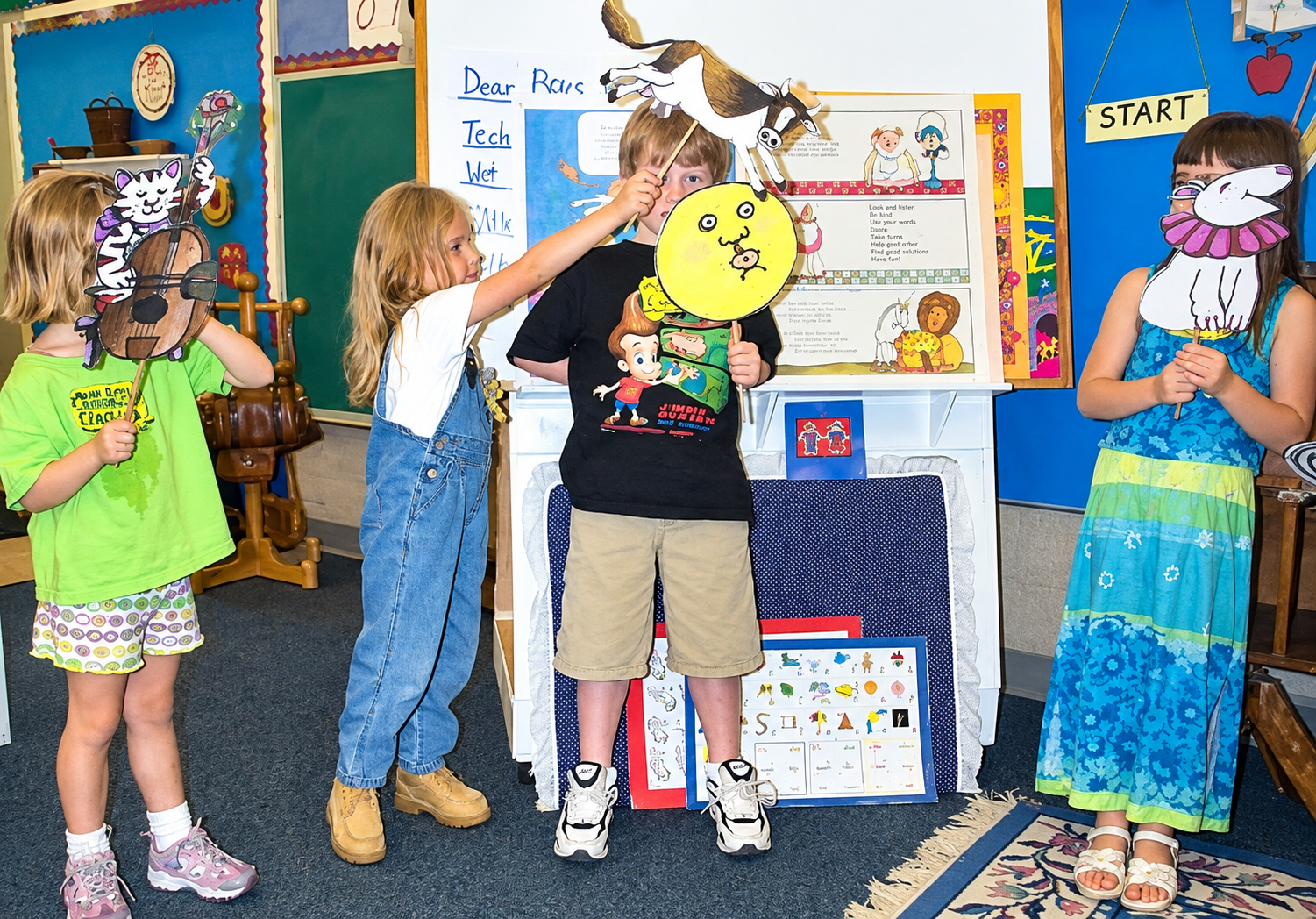
Make friends with Mother Goose. Children memorize, recite, perform, illustrate and read rhymes, poems, and songs — and something powerful happens.
They hear the sounds inside words, it’s phonemic awareness. They build vocabulary, comprehension and oral language fluency. They learn what reading sounds like before they can read out loud. Marie Clay’s research has long shown that children who know nursery rhymes and practice rhyming become stronger readers. Every child in the room gets to be an expert at reciting many nursery rhymes!
5. Send the learning home to multiply your teaching effectiveness
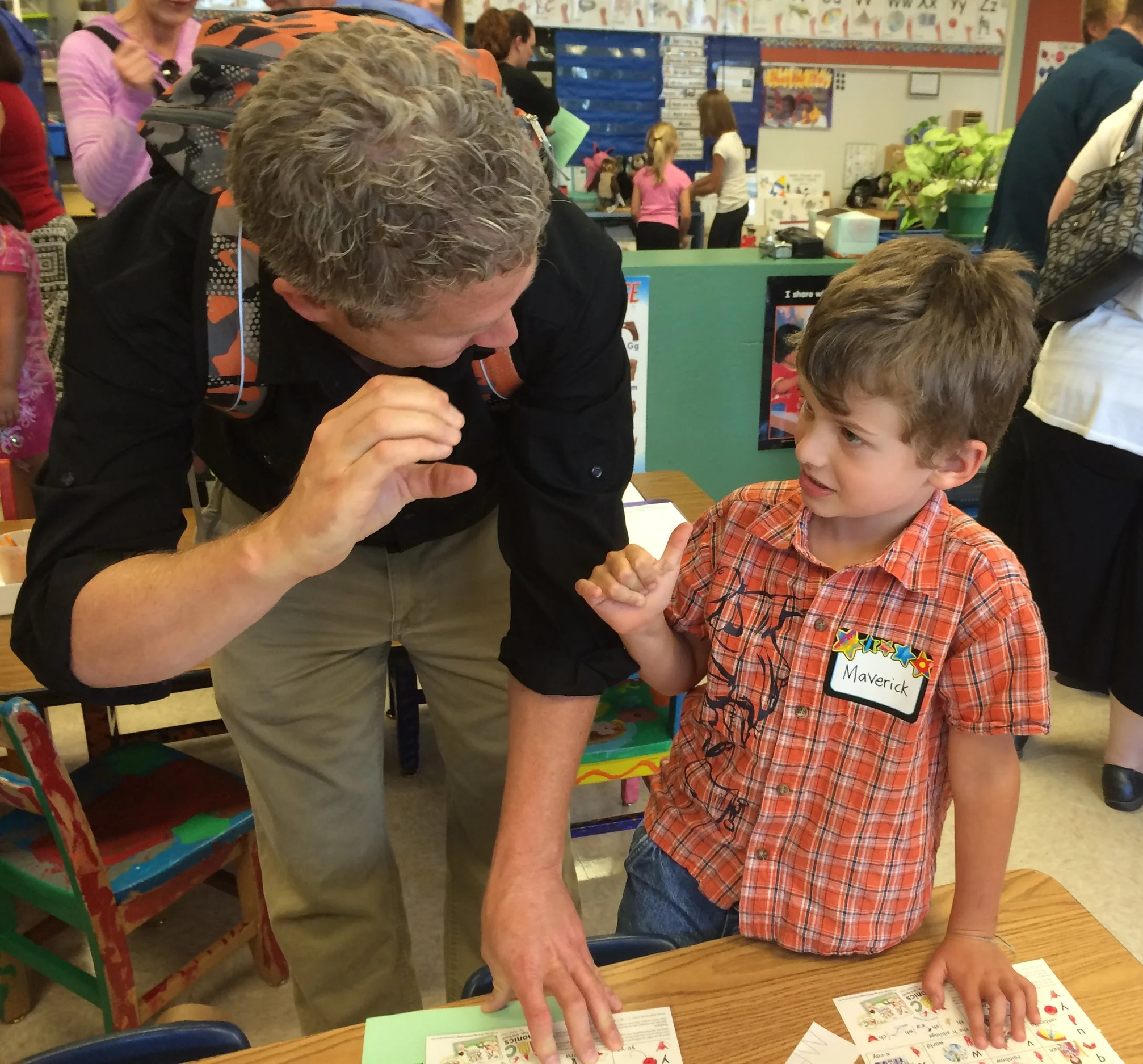
Parents as Partners: the best teaching happens twice — once with you, and once again at home.
When families know the same songs, sign language, Heart Words, and rhymes their child is learning, every car ride and bedtime becomes practice. Kids love being the expert who teaches grandma to sign the alphabet, that’s parent involvement at work. Homeschool kindergarten families, you're already the partner — this is your toolkit. Family literacy is our gift to the community. It has a lasting effect. Get our free Family Learning Calendar on the resource page.
6. Celebrate language and celebrate childhood, keep the joy going all year
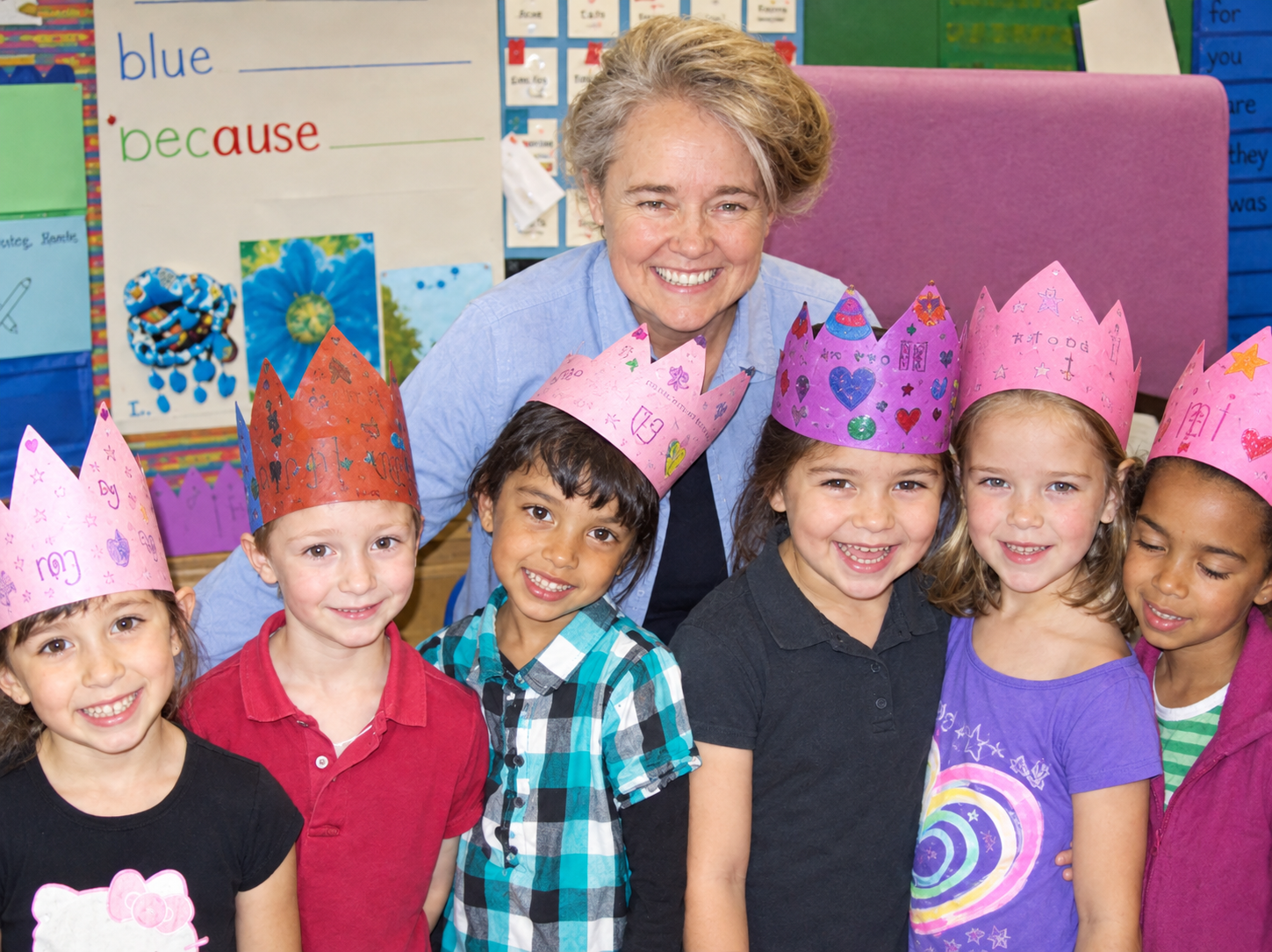
Learn the “King of ing” song and celebrate with a crown. Write and illustrate a Little Book.
The whole class listening while one child reads their newly written Little Book aloud proudly and proclaims , "I am an author now!" Poetry performances, classmade books with photos of children, author celebrations and family music gatherings. Celebration isn't a reward at the end. It's part of the learning, every day — and every child gets a turn. It's how we spark joy from September to June. We are all teaching English Language development.
7. Enjoy the outdoor classroom, let children run, shout, and play
In the great outdoors, friendships deepen and curiosity grows.
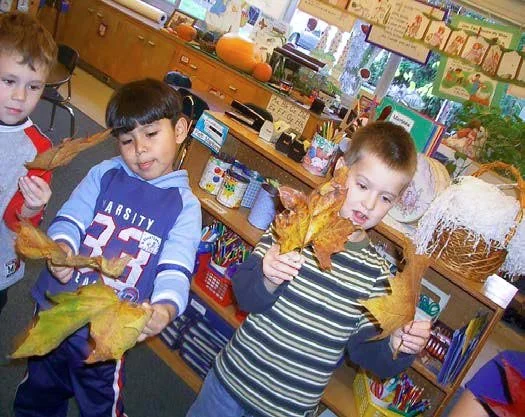
Head outside, and watch every child become an explorer. We gather leaves and carry them back to the classroom. We learn leaf songs and poems by heart, recite and perform them, then illustrate them for each child’s “I Can Read” Notebook. We hug trees. We listen for birds like budding ornithologists. We plant a garden and watch the seedlings grow. And we sing “I Love the Earth and Everything That Lives,” because respect for the natural world starts young.
Meet the master teachers behind every lesson
None of this was created alone.
Every belief and practice on this page was created, refined and tested by master kindergarten teachers working in real classrooms with real children. Throughout the day, as children work and play together, we intentionally build character: self-discipline, focus, manners and kindness. What unites us is a shared passion for great teaching.
We take advantage of how the brain learns best — and we save time for serendipity.”
— Nellie Edge
These are the accomplished teachers whose work I documented.
Becky Leber, Bobbi Fisher, Celeste Starr, Diane Bonica, Diane Larson, Jacque Verrall, Jaime Corliss, Jeff James, Jennifer Foster, Joanie Cutler, Julia Barto, Julie Lay, Kathy Bridges, Katie Nelson, Laura Flocker, Sally Rudnick, Shanda Vandehey, Susie Haas, Tanya Wall, Winter Curry
We appreciate wise, caring principals who understand Best Practice Research and hang out in kindergartens:
Annie Morton, Clinton Gertenrich, Karl Paulson, Katie Shumway, Christi Cheevers, Olga Chavez
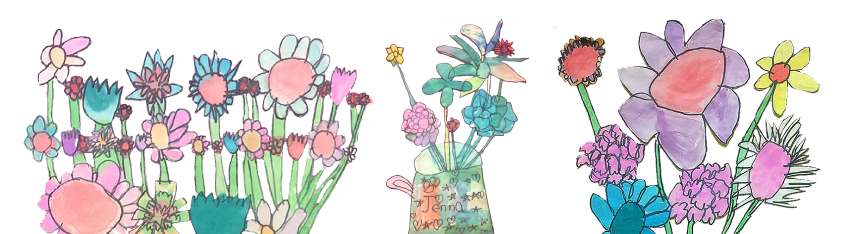
Art from Laura Flocker’s Kindergarten.
Drawing and writing grow together.
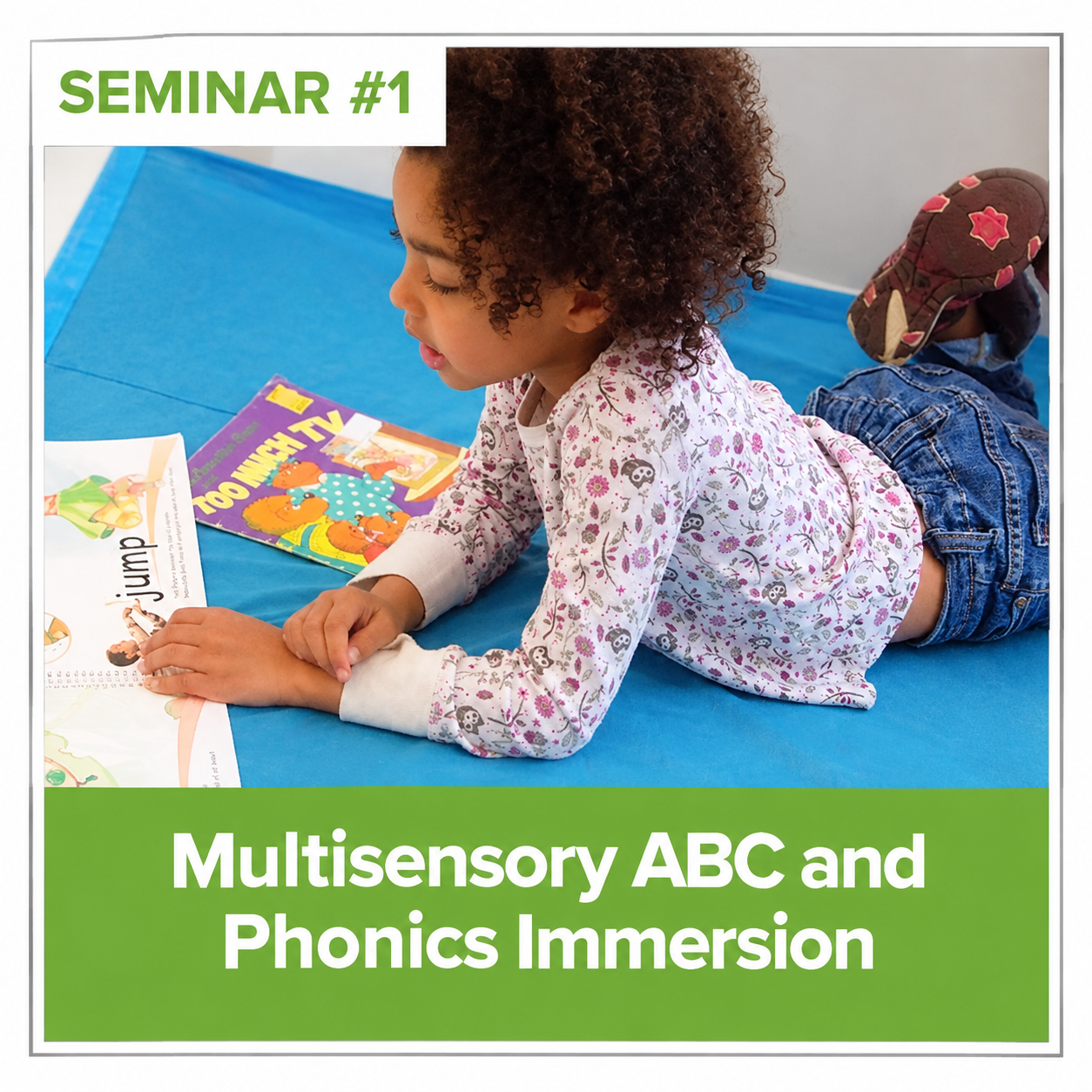
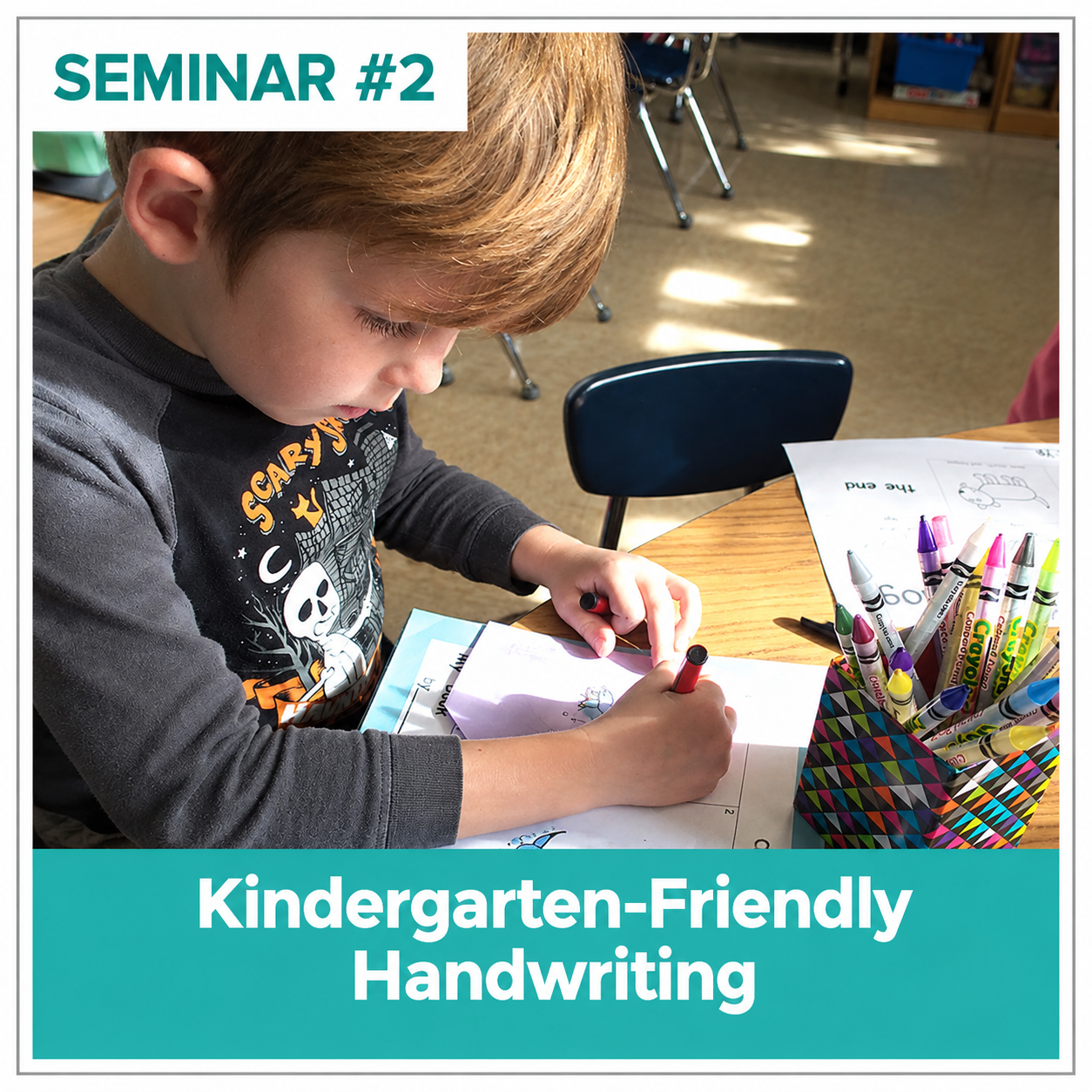
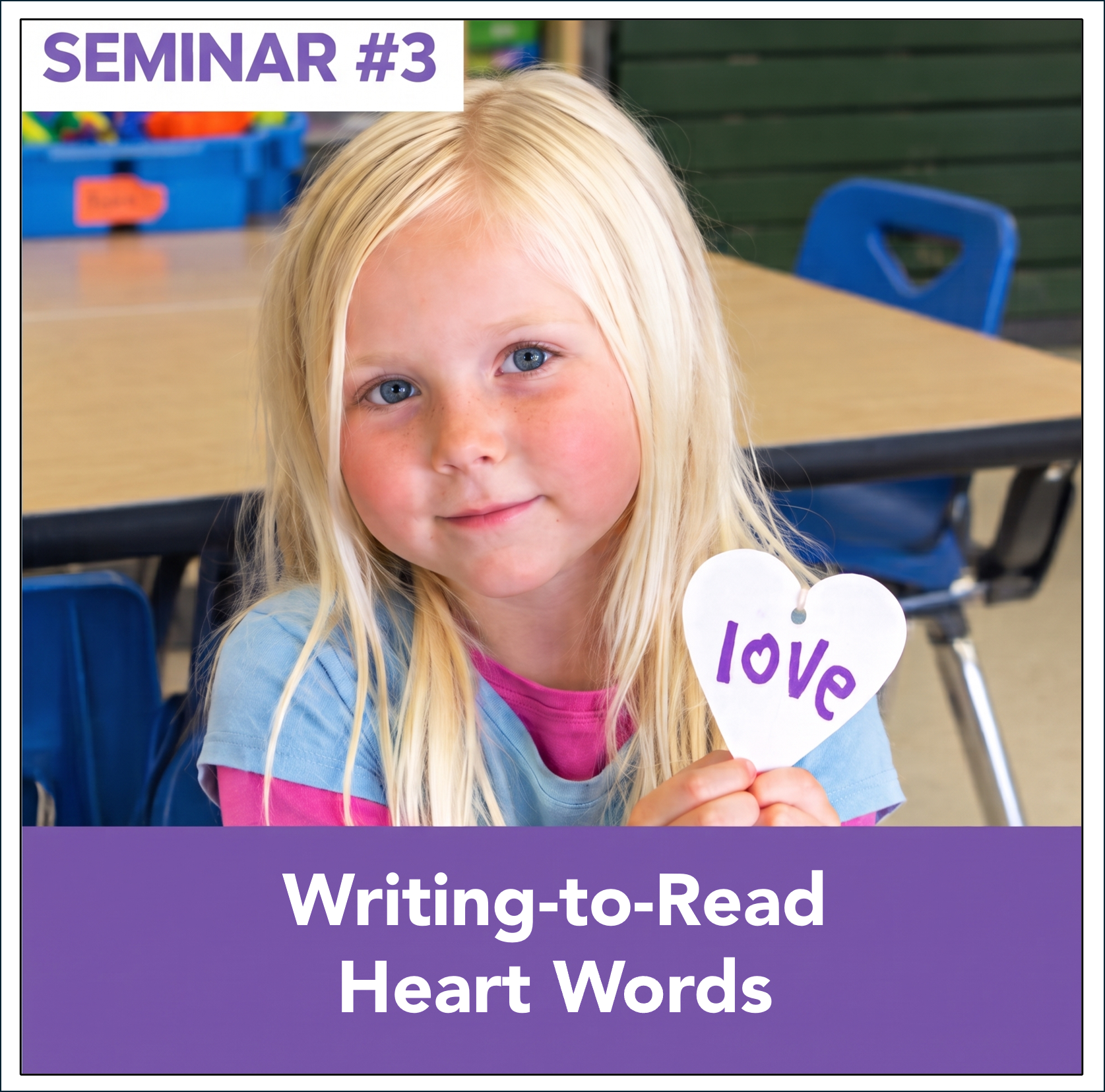
Start here, three free seminar videos will show you how
Watch and learn from the Nellie Edge Masterclass seminars
Thousands of kindergarten teachers have learned to teach differently in these seminars. Back in their classrooms, they put each strategy to work, one song, one Heart Word, one Little Book at a time. Their classrooms came alive. Early learners sang, signed, and wrote their way into reading, and the joy came back into teaching. Now you can learn the same way, free and online.